For decades, we’ve been promised the “Jetsons” lifestyle—a domestic existence where chores simply happen without our input. By 2020, we had “smart” homes, but let’s be honest: they weren’t smart. They were just remote-controlled. You still had to pull out your phone to turn on the lights or shout at a speaker to set a timer. That isn’t labor-saving; it’s just labor-shifting.
Fast forward to 2026, and the narrative has changed. We are witnessing the death of the “Connected Home” and the birth of the Autonomous Home.
With the debut of stair-climbing vacuums like the Roborock Saros Rover and “Physical AI” agents like LG’s CLOiD at CES 2026, the hardware is finally catching up to the software. But can you actually achieve a zero-labor lifestyle today, or is it just another expensive pipe dream?
This guide dives deep into the tech, the costs, and the reality of the fully automated home in 2026.
From “Smart” to “Autonomous”: What Changed in 2025?
To understand where we are, we must define Zero-Labor.
- Smart Home (2015-2024): You tell the house what to do (Voice commands, App schedules).
- Zero-Labor Home (2026+): The house anticipates your needs and executes tasks without you asking.
Two major shifts occurred in the last 18 months to make this possible:
- Generative AI on the Edge: Devices no longer just “trigger” actions; they understand context. Your fridge doesn’t just see a milk carton; it knows the milk expires in two days and adds it to a cart.
- Matter 1.4 Adoption: The latest update to the Matter protocol has finally standardized energy management and multi-admin controls, meaning your Tesla Powerwall, Samsung fridge, and Apple HomeHub actually talk to each other about electricity usage without cloud latency.
1. The Cleaning Revolution: No Floor Left Behind
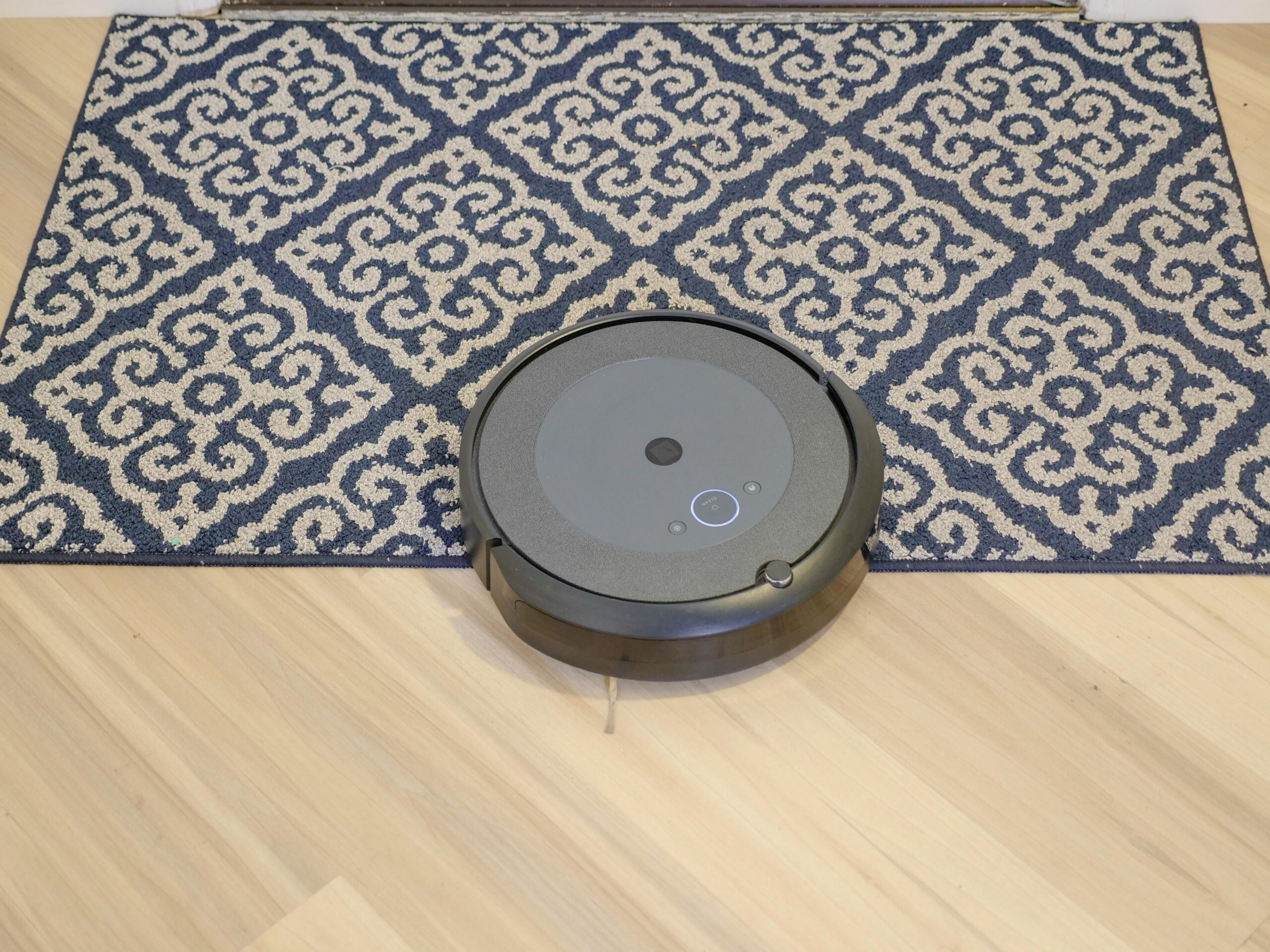
If there is one room in the house that is 95% of the way to “Zero-Labor,” it is the floor.
For years, the nemesis of the robot vacuum was the humble staircase. If you lived in a two-story home, you were the robot’s transportation system.
The Stair-Climbing Breakthrough
At CES 2026, the game changed.
- Roborock Saros Rover: This unit uses a wheel-leg system to physically climb stairs, clean them, and move to the second floor. It uses 3D mapping to differentiate between a step and a drop-off.
- Dreame CyberX: Another contender using a track-based system to navigate vertical challenges.
The “Plumbing” Upgrade: High-end models now come with direct plumbing kits as a standard option rather than a niche accessory. This means the dock refills its own water and drains dirty mop water directly into your home’s sewage lines.
- Labor Remaining: ~1%. (You still have to change the dust bag once every 3-4 months and clean the sensors).
| Feature | 2023 Flagship Robot | 2026 Autonomous Robot |
| Stairs | Blocked | Climbs & Cleans |
| Mop Cleaning | Wash & Dry at dock | Hot water wash (140°F) & Self-cleaning tray |
| Obstacle Avoidance | Good (Lidar) | Flawless (AI Visual + Lidar + RGB) |
| Maintenance | Weekly (Empty bin, fill tank) | Quarterly (Bag change only) |
2. The Rise of “Physical AI” Agents
The era of the static smart speaker is ending. 2026 is the year of Physical AI—robots that can manipulate the world, not just observe it.
LG CLOiD: The “Affectionate” Butler
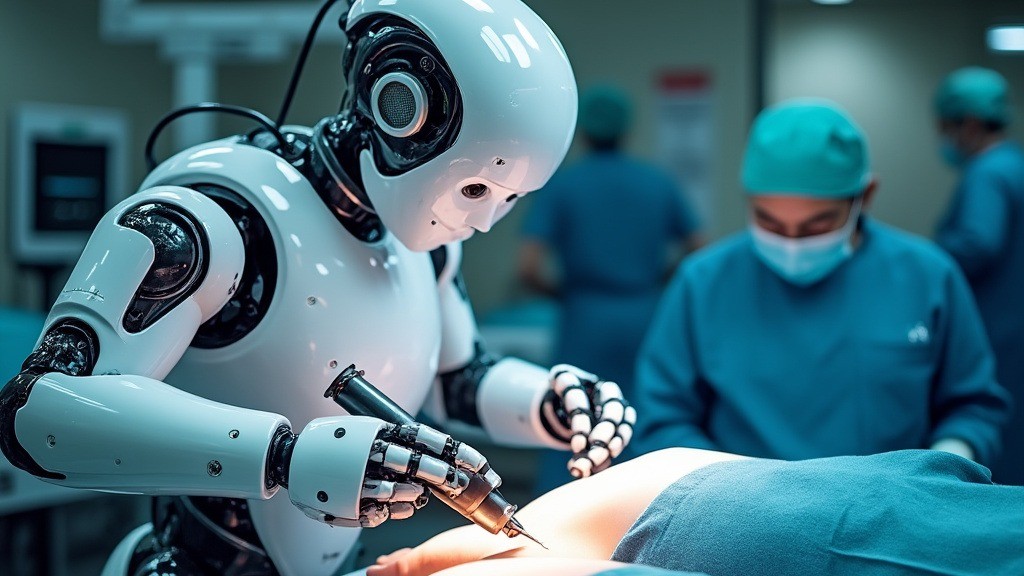
Debuting in early 2026, LG’s CLOiD represents the industry’s pivot to humanoid-style assistance. Unlike previous rolling balls, CLOiD features articulated arms.
- Capabilities: It can fold laundry (slowly), organize simple objects, and act as a mobile hub.
- The VLA Model: It uses a Vision Language Action model, meaning it translates visual data directly into physical motion.
- The Cost: Estimates place it in the luxury tier ($15,000+), making it an early adopter trophy rather than a mass-market appliance.
The Samsung Ballie Pivot
While Samsung made waves with its rolling Ballie robot in previous years, 2026 saw a shift. Reports indicate Samsung has moved away from a standalone consumer robot release, focusing instead on embedding that AI intelligence directly into appliances (fridges and TVs).
- Insight: This suggests a market split. One path is Active Robotics (LG), and the other is Ambient Intelligence (Samsung), where the house itself is the robot.
3. The Kitchen: The Last Bastion of Labor
While floors are solved, the kitchen remains the hardest nut to crack.
The Robotic Chef: Still a Luxury
Companies like Moley Robotics continue to refine robotic arms that cook from scratch, but with price tags rivalling a Ferrari ($100k+), this isn’t consumer tech yet.
The Real Innovation: AI Inventory
The practical “Zero-Labor” kitchen in 2026 is about Management, not chopping carrots.
- AI Vision Inside (Samsung/LG): Cameras inside fridges now accurately identify 90%+ of produce.
- The Loop: The fridge spots low milk -> asks your AI Agent to order -> order arrives via delivery.
- Benefit: This removes the mental labor of meal planning and grocery lists.
4. The Barriers to the Zero-Labor Home
If the tech exists, why doesn’t everyone have it?
1. The “Maintenance of the Maintainers”
Irony strikes when your zero-labor robot breaks. Repairing a stair-climbing robot with complex wheel-legs is not a DIY job. We are entering an era of Service Contracts for home appliances, similar to car warranties.
2. The Privacy Tax
To achieve zero labor, the house must watch you constantly.
- Mapping: Your vacuum knows your floor plan.
- Vision: Your fridge sees your diet.
- Audio: Your AI agent hears your arguments.
- Solution? Look for Local Processing (Edge AI). Devices that process voice and video on the chip (NPU) rather than sending it to the cloud are becoming the gold standard for privacy-conscious buyers in 2026.
3. Energy Consumption
An always-on, fully autonomous home consumes significantly more standby power. However, Matter 1.4 energy reporting allows these devices to sync with solar panels, charging only when electricity is cheap or free.
Conclusion: Are We There Yet?
Is the Zero-Labor home finally here?
For Cleaning: Yes. With plumbing-connected, stair-climbing robots, floor care is effectively solved. For Logistics: Almost. AI agents can handle ordering and scheduling, removing the “mental load.” For Cooking & Laundry: No. We are still in the “Assisted Labor” phase. You still have to load the washer and chop the onions.
The Verdict: In 2026, we have achieved the Low-Labor Home. The physical grunt work is disappearing, leaving us with the management role. The house is no longer a passive shelter; it is an active employee. And like any employee, it costs money to hire and maintain.
Actionable Takeaways for Homeowners
- Wait on Humanoids: Unless you have unlimited budget, skip the first-gen butlers (CLOiD) and focus on task-specific robots.
- Invest in Matter: Do not buy any smart device in 2026 that is not Matter-certified. You will regret the compatibility issues later.
- Go Plumbed: If you are renovating, add water lines to your closets/mudrooms to accommodate self-filling robot docks.
FAQ: Common Questions on Home Automation
Q: How much does a fully automated cleaning setup cost in 2026? A: For a top-tier setup (Stair-climbing vacuum + automated mop dock + window cleaning robot), expect to invest between $3,000 and $4,500.
Q: Will the Samsung Ballie be released in 2026? A: Current industry reports suggest Ballie has been shelved as a standalone product, with Samsung pivoting to integrating its AI capabilities into their “SmartThings” ecosystem and appliances instead.
Q: Can robotic vacuums actually climb stairs now? A: Yes. The Roborock Saros Rover and Dreame CyberX demonstrated functional stair-climbing capabilities at CES 2026, using articulating legs and tracks respectively.
Q: Is my privacy safe with AI agents? A: It is a trade-off. To maximize privacy, choose devices that explicitly state they use On-Device (Edge) Processing and look for physical camera shutters. Avoid devices that rely 100% on cloud processing for basic tasks.