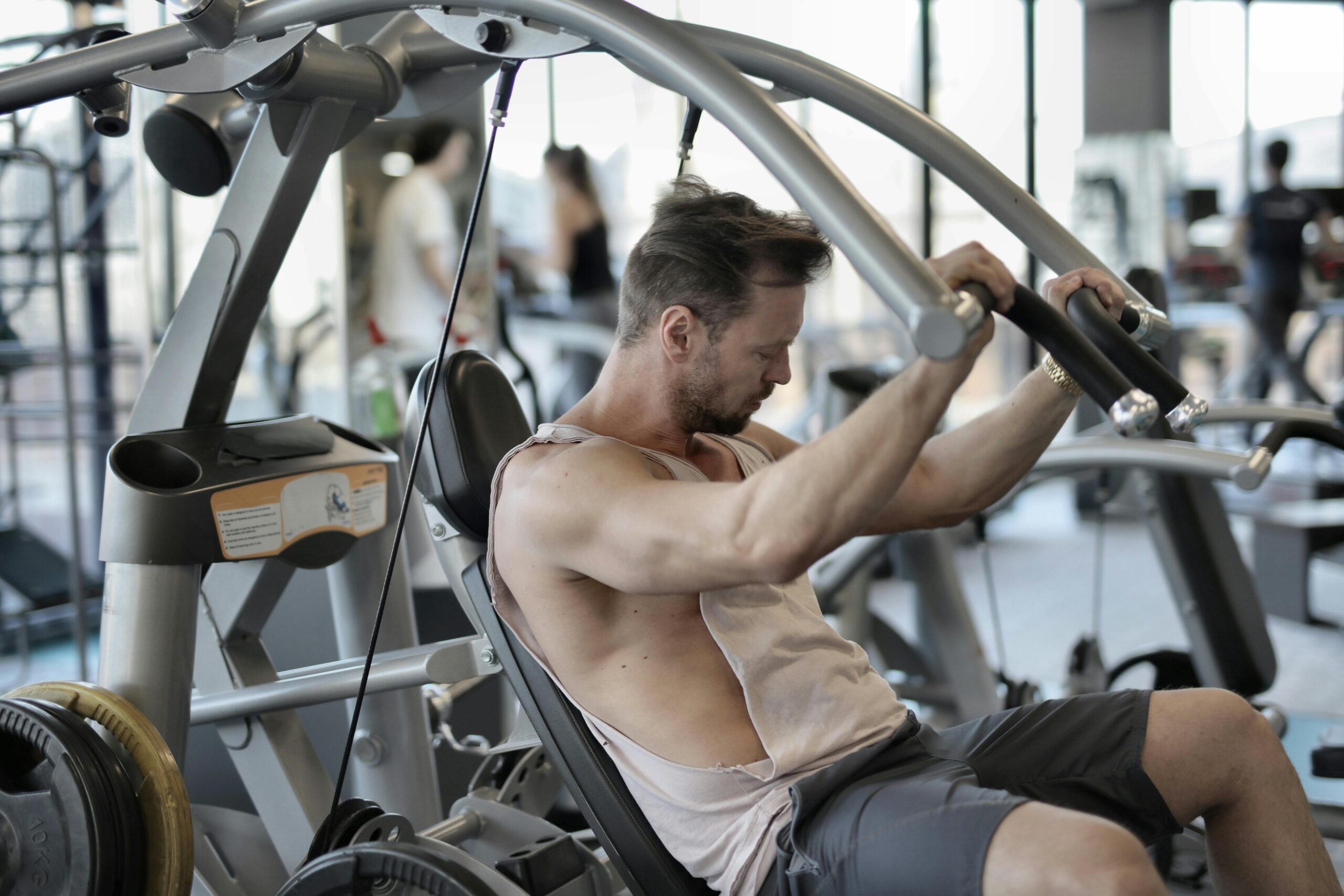
You’re hitting your macros. You’re progressive overloading. You’re sleeping seven hours a night. Yet, your lifts are stalling, your joints ache, and you feel a strange mix of “wired but tired” every time you step into the squat rack.
The missing link in your fitness strategy likely isn’t your muscles—it’s your nervous system.
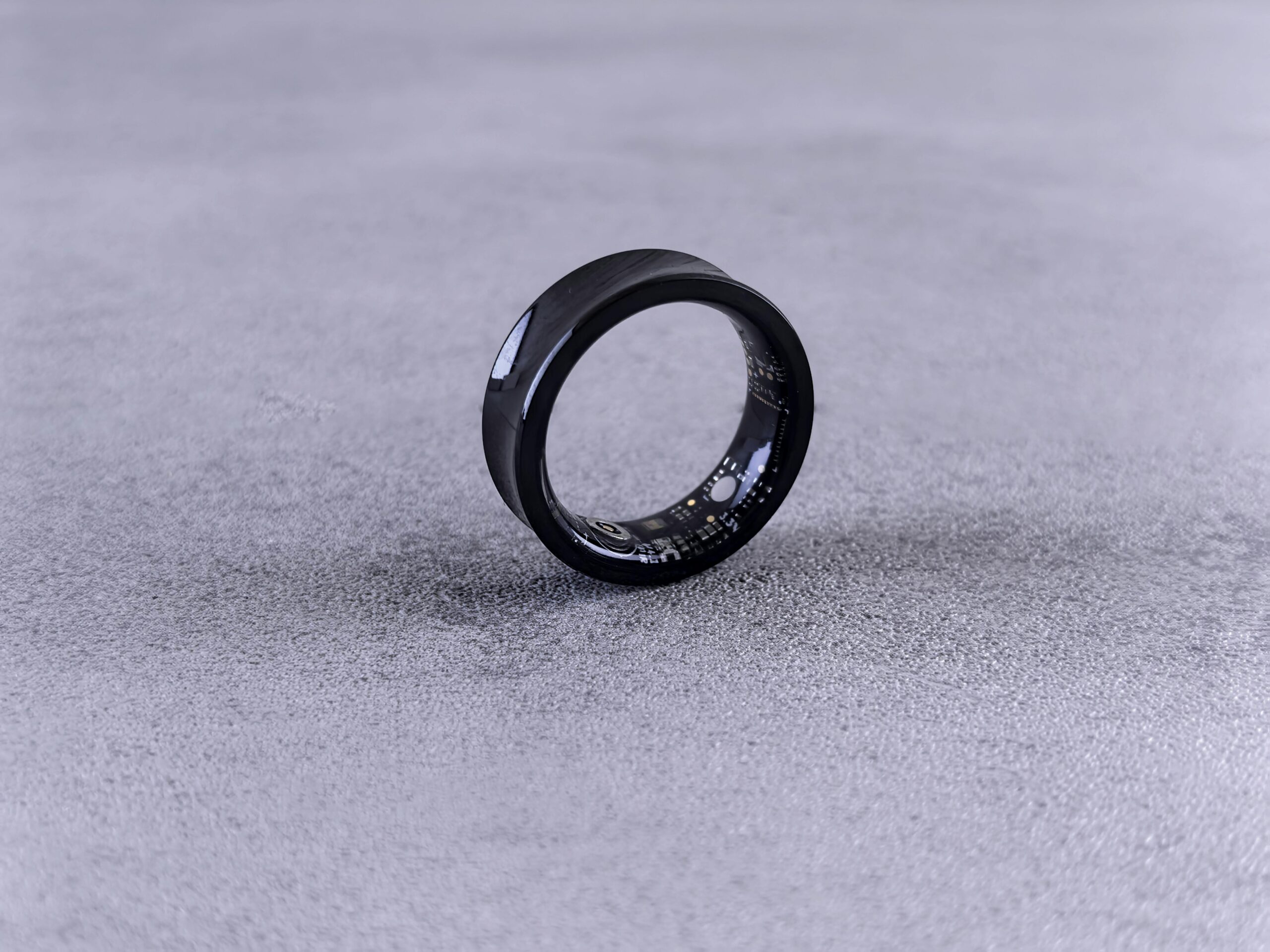
For years, the fitness industry focused almost exclusively on the musculoskeletal system (muscles, bones, tendons). But as we move through 2025, a massive shift has occurred. The American College of Sports Medicine (ACSM) named wearable technology (specifically devices tracking recovery metrics like HRV) as the #1 fitness trend of 2025. Why? Because athletes and biohackers have realized that you cannot train a body that is stuck in “fight or flight.”
A “Nervous System Reset” isn’t just a buzzword; it is a physiological necessity for long-term growth. This guide covers why your Central Nervous System (CNS) is the gatekeeper of your gains and exactly how to reset it for peak performance.
The Hidden Saboteur: What is CNS Fatigue?
To understand why you need a reset, you must understand what you are resetting.
Your Central Nervous System (CNS) is the command center that sends electrical signals to your muscles to contract. When you lift heavy weights, sprint, or push to failure, you are placing a high neural demand on this system.
While your muscles might recover in 24–48 hours, your CNS can take significantly longer—sometimes up to a week—to return to baseline. This phenomenon is known as CNS Fatigue.
The Science of “Fry-Out”
When you train intensely, your body operates in a Sympathetic State (high cortisol, high adrenaline). This is necessary for performance. However, many gym-goers get stuck here. They finish their workout, chug a caffeine-heavy shake, rush to stressful work, and scroll through blue-light screens until midnight.
They never switch into the Parasympathetic State (rest and digest).
According to recent sports science literature from late 2024, chronic sympathetic dominance leads to:
- Reduced Motor Unit Recruitment: Your brain literally sends weaker signals to your muscles, making 200lbs feel like 300lbs.
- Elevated Cortisol: Which inhibits protein synthesis and encourages fat storage around the midsection.
- Sleep Fragmentation: The “wired but tired” sensation that prevents deep REM sleep.
Key Insight: You don’t grow in the gym. You grow when your nervous system feels safe enough to allocate resources to repair tissue.
5 Signs You Need a Nervous System Reset ASAP
Before you book a physio appointment for that nagging shoulder, check if your nervous system is sending you distress signals.
- Low Heart Rate Variability (HRV): If your fitness tracker shows a consistently low HRV baseline compared to your 30-day average, your autonomic nervous system is strained.
- Grip Strength Decline: A classic, reliable indicator of CNS fatigue. If the bar feels thicker or harder to hold, your neural drive is down.
- Loss of Motivation (Dopamine Drop): CNS fatigue often manifests as a sudden apathy toward training.
- Sensitivity to Light and Sound: Finding the gym music annoying or the lights too bright? This is a sign of sensory overload and sympathetic dominance.
- Heavy Gravity Days: When your warm-up weights move slowly and feel inexplicably heavy.
The Protocol: How to Reset Your Nervous System
A reset doesn’t always mean taking a week off (though sometimes it does). It means integrating Somatic Exercises and Vagus Nerve Stimulation into your daily routine.
Here is the 2025-approved blueprint for integrating neural recovery into your gym schedule.
1. The Pre-Workout “Orienting” Reset
Most people blast heavy metal and slap their face before a PR attempt. While this works for immediate arousal, doing it every session leads to burnout. Try “Orienting” instead to establish safety.
- The Technique: Stand in the gym. Slowly turn your head and look around the room. Notice the colors, the exit signs, the floor texture.
- The Science: This engages the ventral vagal system, signaling to your primal brain that the environment is safe. It lowers background anxiety, allowing you to focus your adrenaline solely on the lift.
2. Intra-Workout: The “Physiological Sigh”
Between sets of heavy compounds (like squats or deadlifts), your heart rate spikes. Instead of scrolling Instagram, reset your vagal tone.
- The Technique: Perform a double inhale through the nose (one long, one short to top it off) followed by a long, audible exhale through the mouth.
- Why It Works: This offloads CO2 and mechanically engages the diaphragm to slow the heart rate effectively, clearing neural “noise” before your next set.
3. Post-Workout: Somatic Down-Regulation
This is the most critical step. You must signal the end of the “war” (workout).
- Legs Up the Wall: Lie on your back with legs elevated against a wall for 5–10 minutes.
- Box Breathing: Inhale 4s, Hold 4s, Exhale 4s, Hold 4s.
- The Result: This forces the switch from Sympathetic to Parasympathetic dominance, jumpstarting the recovery process immediately rather than hours later.
Periodization: The “Neural Deload” Week
Traditional deloads focus on reducing volume. A Neural Deload focuses on reducing intensity and sensory input.
If you have been training hard for 6–8 weeks, take a Neural Deload week:
- No Barbell Work: Switch to machines or bodyweight to reduce stabilization demands on the CNS.
- Reduce Axial Loading: Avoid exercises that compress the spine (squats, overhead press).
- Zone 2 Cardio Only: Keep heart rate between 60–70% max to flush metabolites without taxing the nervous system.
- Nature Exposure: Studies show that “green exercise” (training outdoors) lowers cortisol significantly faster than indoor training.
Tools of the Trade: Tracking Your Reset
To be authoritative in your training, you need data. Subjective feelings are good; objective metrics are better.
| Metric | What It Tells You | Target for Training |
| HRV (Heart Rate Variability) | Balance between sympathetic/parasympathetic systems. | High (relative to baseline) = Green light to train. |
| RHR (Resting Heart Rate) | Cardiovascular recovery status. | If 5+ beats above normal, take a rest day. |
| Sleep Efficiency | Quality of time spent asleep. | Aim for >85% efficiency. |
Expert Tip: Don’t obsess over the daily number. Look for the trend. A 7-day downward trend in HRV is a red flag that requires a mandatory reset.
Conclusion: Train Smarter, Not Just Harder
The “No Pain, No Gain” era is fading. The 2025 athlete understands that the Nervous System is the bottleneck for performance.
By incorporating nervous system resets—through breathwork, somatic awareness, and smart data tracking—you unlock a level of consistency that “grinding” can never achieve. You stop fighting your body’s physiology and start leveraging it.
Action Plan for Tomorrow:
- Check your HRV upon waking.
- Add 2 minutes of “Orienting” before your warm-up.
- Perform the “Physiological Sigh” between your heaviest sets.
- End your session with 5 minutes of “Legs Up the Wall.”
Your muscles do the lifting, but your nervous system runs the show. Treat it accordingly.
Frequently Asked Questions (FAQ)
What is the fastest way to reset your nervous system?
The “Physiological Sigh” (two sharp inhales through the nose, one long exhale through the mouth) is the fastest way to mechanically reset the nervous system in real-time. Cold exposure (like a cold shower or splashing water on the face) also stimulates the Vagus nerve almost instantly.
How do I know if I have CNS fatigue?
Common symptoms include a sudden drop in grip strength, lack of motivation, disrupted sleep (waking up tired), and a consistently low Heart Rate Variability (HRV) score. If weights that usually feel light suddenly feel heavy, CNS fatigue is the likely culprit.
Can you workout with a dysregulated nervous system?
You can, but it is often counterproductive. Training in a high-stress state increases cortisol, risks injury due to poor coordination, and reinforces “fight or flight” patterns. It is better to perform “active recovery” (walking, mobility work) until your metrics stabilize.
What are somatic exercises for the gym?
Somatic exercises focus on internal sensation rather than external appearance. Examples include “shaking” (gently bouncing the body to release tension), conscious diaphragmatic breathing, and ground-based rolling movements. These help release stored trauma and tension from the fascia and nervous system.
Sources:
- ACSM’s Worldwide Survey of Fitness Trends for 2025.
- Journal of Strength and Conditioning Research (2024): Effects of Autonomic Regulation on Hypertrophy.
- Polyvagal Theory in Performance: Application for Athletes (2025).