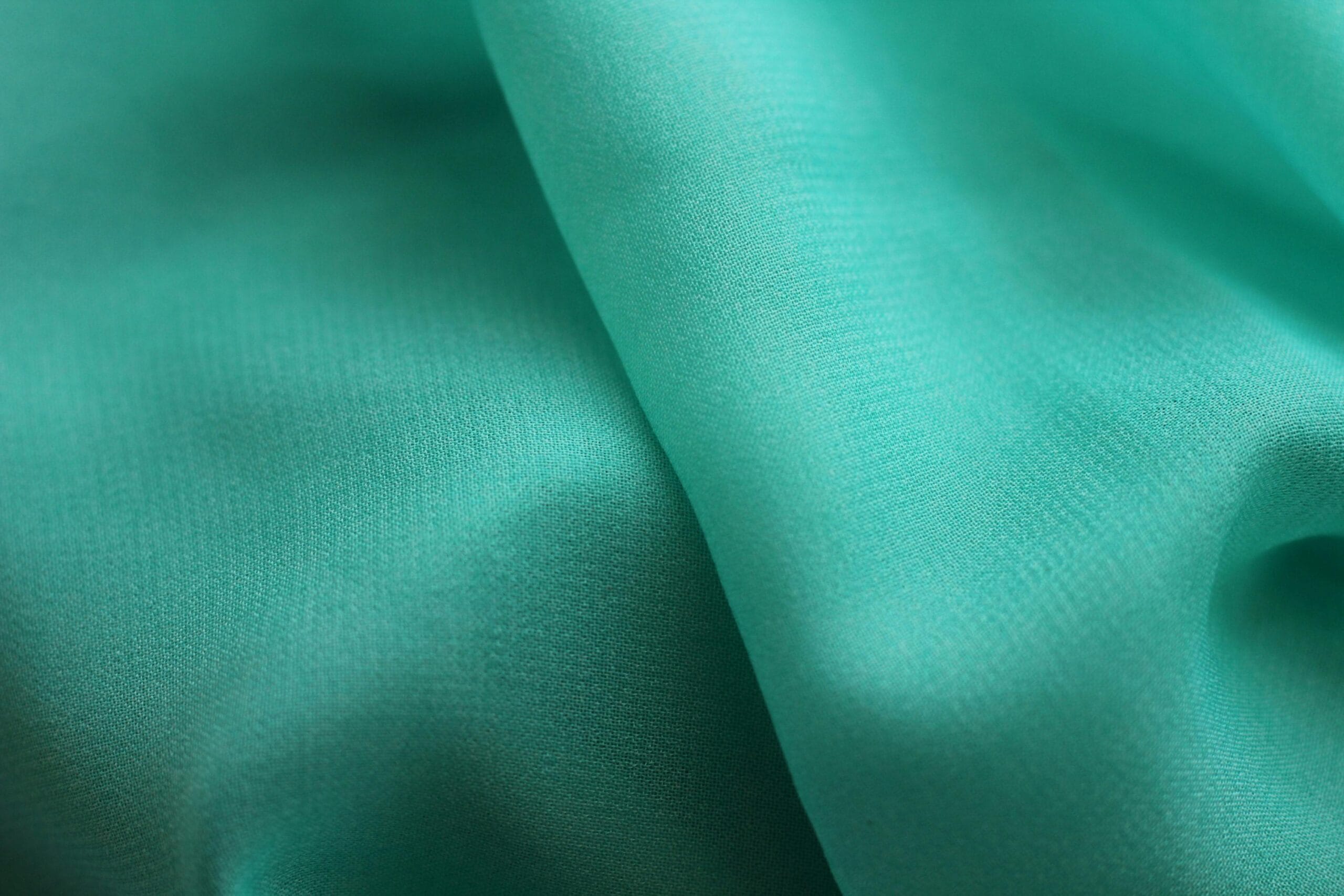
Every year the fashion world picks a colour and builds a story around it. Sometimes the story is a stretch — “forest green represents our collective yearning for the natural world” — and sometimes the story just happens to be true. Teal’s moment feels like the latter. Not manufactured meaning, but a colour whose qualities — psychological, aesthetic, practical — genuinely suit the current mood.
The term “transformative teal” has been circulating in fashion press and colour forecasting for a reason. Teal isn’t just trending; it’s being framed as a colour with actual power to shift how we feel when we wear it. That claim deserves examination rather than acceptance, but the examination holds up reasonably well.
What the Colour Psychology Actually Says
Colour psychology research is often overstated in fashion writing, so it’s worth being specific about what the evidence actually shows. Blue and blue-green tones are consistently associated in psychological research with calm, focus, and confidence. They lower physiological markers of stress in controlled studies. They’re trusted as colour choices in professional environments for a reason that isn’t purely convention.
Teal specifically occupies a middle position between the deep calm of navy and the vitality of bright green. It has clarity without coldness. It reads as deliberate rather than aggressive. The claim that wearing teal produces a psychological shift — toward feeling more grounded, more clear-headed — is at least plausible given the broader evidence on cool-to-neutral blue-green tones.
The Fashion Argument
Beyond psychology, the fashion argument for teal is strong and less contested: it’s one of the few genuinely flattering colours across a wide range of skin tones. The combination of blue and green creates a colour that bridges cool and warm undertones rather than strongly favouring either. Most people look good in teal even if they think they don’t.
It also behaves well in a wardrobe. Deep teal reads as a near-neutral — it pairs naturally with navy, camel, grey, cream, rust, and gold, covering most of what people already own. You can add a teal piece to a wardrobe without having to reorganise everything else around it.
Teal as a Replacement for Safe Neutrals
The specific opportunity that teal offers right now is as a departure point from the all-neutral wardrobes that have dominated for several years. If you’ve been living in beige and grey and oat and find yourself bored but nervous about colour, teal is the most logical step because it doesn’t feel like a dramatic departure — it has the same kind of reliability as a neutral while actually being a colour.
This is the “transformative” element that the trend language is reaching for, and I think it’s genuinely apt. Teal transforms a neutral wardrobe by adding a specific, memorable quality — a signature colour — without requiring the courage that primary colours or brights demand.
How to Actually Wear It This Year
For knitwear: a deep teal sweater is this season’s best investment in colour. Wear it with straight-leg dark jeans and a brown boot — simple, complete, and more interesting than the same formula in navy or grey.
For workwear: a teal blouse under a charcoal or warm grey suit is a quietly striking combination that reads as professional and distinctive. More interesting than white, less alarming than anything brighter.
For outerwear: a teal coat in a wool or wool-blend — structured, statement-making — is the kind of piece that gets worn constantly because it works over almost everything and because people genuinely comment on it.
The single-colour outfit, worn head-to-toe in varying tones of teal and aqua, is the more advanced version and absolutely works for those with confidence in colour. It’s bold without being aggressive — the colour family is cohesive enough to feel intentional rather than chaotic.
One thing teal confirms more generally: colour works. Consistently and reliably. The reflex toward neutral safety has served its purpose, but the wardrobe that has one strong, flattering, versatile colour in it is more alive than the one that doesn’t.
One thought on “Transformative Teal: The Must-Have Fashion Color”