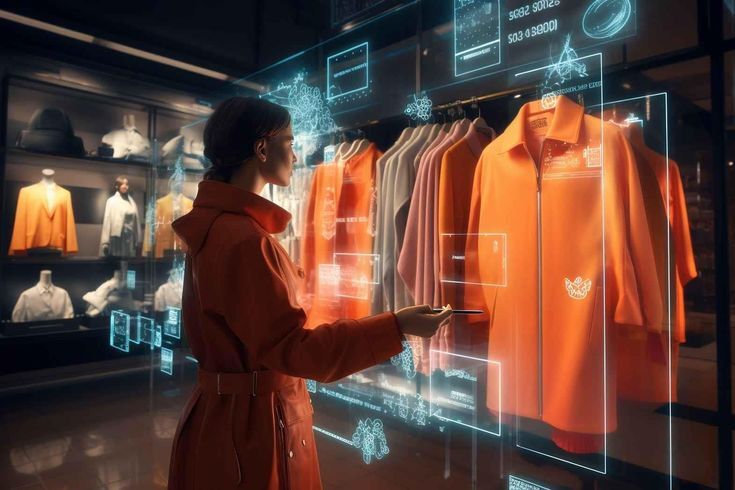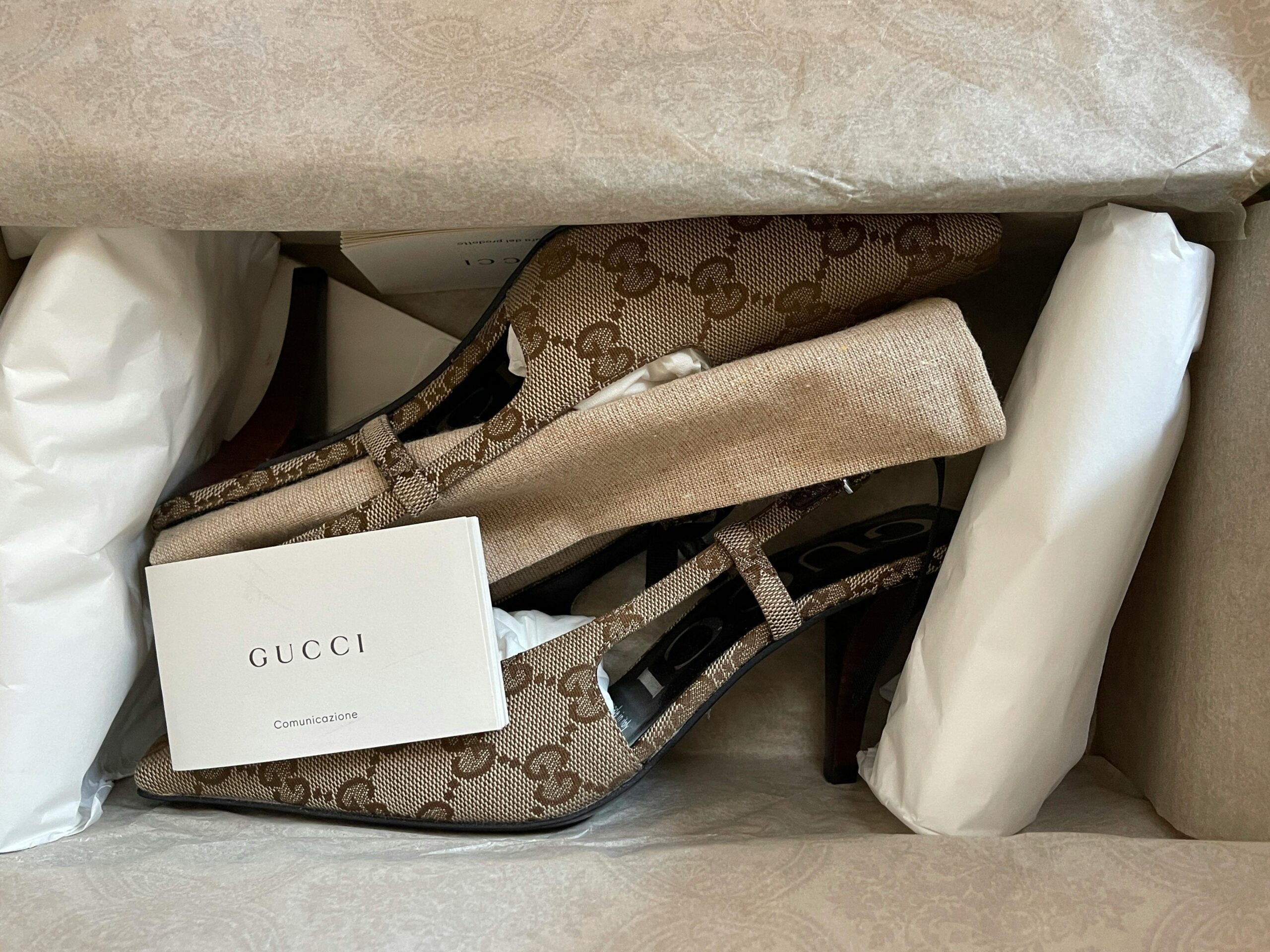
The sneaker game has changed. For decades, “copping” the latest drop meant camping outside a physical store or refreshing a webpage to buy shoes made of leather, rubber, and mesh. Today, a new breed of collector is spending real money on sneakers that will never touch the pavement.
Welcome to 2026, where the “Virtual Sneakerhead” is no longer a niche subculture but a driving force in the luxury fashion market. With the global digital fashion sector projected to have hit $6.6 billion by the end of 2025, heritage brands like Gucci are betting big on the metaverse. But is a $12 digital sneaker just a novelty, or a legitimate asset class for the modern investor?
This article dives deep into the explosion of virtual footwear, analyzing the latest market data from the last 18 months, Gucci’s strategic pivot to the metaverse, and whether investing in “intangible” luxury is a smart move for your portfolio.
The Shift: From Physical Hype to Digital Scarcity
The concept of value in the sneaker market has historically been tied to physical scarcity. However, 2024 and 2025 marked a turning point where digital utility began to rival physical exclusivity.
According to recent industry data, the broader global sneaker market was valued at approximately $92 billion in 2024, but the fastest-growing segment wasn’t leather high-tops—it was digital assets.
Why Digital? The 2025 Market Landscape
The “crypto winter” of previous years cleared out the speculative bubbles, leaving behind a more mature, utility-focused market. In the last 12 months, we’ve seen:
- Stabilization of NFT Markets: After the volatility of the early 2020s, the NFT market stabilized in 2025, with a focus on assets that offer cross-platform usability (interoperability).
- Gen Z Dominance: Data from late 2025 indicates that Gen Z accounts for 43% of Gucci’s sneaker purchases, a demographic that values digital identity as highly as physical appearance.
- Sustainability Concerns: With the Gucci “Cub3d” model (made from sustainable Demetra material) seeing a 22% year-over-year growth, digital fashion offers a zero-waste alternative for eco-conscious collectors.
Key Stat: The digital fashion market is not just about skins for games; it is projected that by 2030, digital assets could make up 10% of all luxury brand revenue.
Gucci’s Digital Strategy: A Case Study in Innovation
Gucci has not merely adopted the metaverse; they have arguably defined luxury’s place within it. Their strategy has evolved from simple experiments to a robust digital ecosystem.
1. The Legacy of the “Virtual 25”
It started with the Gucci Virtual 25, a neon-colored, chunky sneaker designed by Alessandro Michele in collaboration with AR fashion platform Wanna. Launching at a price point of roughly $12, it was accessible, viral, and purely digital. While you couldn’t resell it for thousands like a physical Jordan 1, it proved that consumers were willing to pay for “clout” that only existed on a screen.
2. Gucci Vault & The Sandbox (2024-2026)
Moving beyond static filters, Gucci expanded into The Sandbox with “Gucci Vault Land.” This isn’t just a showroom; it’s a gamified experience. In 2025, Gucci leveraged this space to turn “play-to-know” narratives into sales.
- The Strategy: Instead of high-cost celebrity commercials, Gucci reallocated budget (the “5% Rule”) toward immersive digital experiences and micro-influencers.
- The Result: High engagement rates where players could earn digital collectibles that served as a “proof of fandom,” deepening brand loyalty.
3. The “Phygital” Evolution
The most significant trend of the last 18 months is the “Phygital” asset—a digital token that acts as a receipt or claim for a physical product.
- Utility: Buying a digital Gucci sneaker NFT might now grant you early access to a physical drop or an exclusive skin in a game like Roblox.
- Interoperability: The focus in 2025 has been on making these assets portable. A sneaker bought in Gucci Vault should ideally be wearable in VRChat or other metaverse environments, increasing its intrinsic value.
Investment Analysis: Are Digital Kicks Worth It?
For the aspiring “Virtual Sneakerhead,” the question remains: Is this an investment or just expensive DLC (Downloadable Content)?
The Bull Case for Digital Sneakers
- Low Barrier to Entry: Unlike physical luxury sneakers that retail for $900+, digital versions often launch under $20-$50, or as part of accessible NFT drops.
- Zero Maintenance: No yellowing soles, no crumbling foam, and no need for climate-controlled storage. Your asset remains in mint condition forever on the blockchain.
- Liquidity & Provenance: Blockchain technology solves the counterfeiting issue instantly. You can prove ownership and sell instantly on global marketplaces without shipping a box.
The Bear Case (Risks)
- Platform Risk: If the platform hosting your sneaker (e.g., a specific game or app) shuts down, does your asset still exist? (This is why interoperability is key).
- Volatility: The value of these assets is often tied to the broader crypto market (Ethereum, etc.), which remains volatile.
Comparison: Physical vs. Digital Investment
| Feature | Physical Luxury Sneaker | Digital/NFT Sneaker |
| Entry Cost | High ($800 – $3,000+) | Low to Mid ($10 – $500) |
| Storage | Requires physical space/care | Digital Wallet (Ledger/Metamask) |
| Liquidity | Slow (Shipping, Authentication) | Instant (Global Marketplaces) |
| Utility | Wearable (degrades value) | Wearable in Metaverse (no degradation) |
| Sustainability | High Carbon Footprint | Near Zero (on Proof-of-Stake chains) |
Future Outlook: What to Watch in Late 2026
As we move deeper into 2026, the convergence of AI and digital fashion will likely be the next frontier.
- AI-Generated Personalization: Expect brands to offer “generative” sneakers where the design evolves based on your online activity or health data.
- Wear-to-Earn: Innovative models may allow users to earn token rewards simply by wearing branded digital kicks in popular metaverse games.
- Cross-Chain Standards: The industry is pushing for a universal standard that allows a digital asset to move seamlessly between Apple’s ecosystem, Meta’s Horizon, and decentralized platforms.
Conclusion
The rise of the Virtual Sneakerhead is not a temporary fad; it is a symptom of a digital-first lifestyle. For Gucci, the digital sneaker is a masterclass in brand accessibility—allowing millions to “wear” the brand who might never step foot in a physical boutique.
For investors, the opportunity lies not in quick flips, but in identifying assets that offer true utility and interoperability. The days of buying a JPEG for millions may be over, but the era of building a valuable, usable digital wardrobe is just beginning.
Actionable Takeaways for Readers
- Start Small: Don’t dump your savings into a single NFT. Experiment with low-cost “open edition” drops to understand the mechanics of wallets and marketplaces.
- Look for “Phygital”: Prioritize digital assets that come with a physical counterpart or exclusive real-world utility. These have a tangible floor price.
- Follow the Tech: Invest in items compatible with major platforms (Roblox, Sandbox, Decentraland). An asset locked in a proprietary app has less long-term value.
- Monitor the “5% Rule”: Watch where brands are reallocating their marketing budgets. If Gucci or Nike pours millions into a specific metaverse platform, that’s a signal of where the value will accrue.
Frequently Asked Questions (FAQ)
1. Can I wear Gucci digital sneakers in real life?
No, the purely digital versions (like the Virtual 25) are designed for virtual environments, photos, and augmented reality (AR). However, “Phygital” drops may provide a physical pair alongside the digital token.
2. Do digital sneakers retain their value?
Like physical collectibles, value depends on scarcity, brand demand, and utility. While some early speculative assets lost value, items with cross-platform utility or historical significance (like early Gucci NFTs) have cultivated a dedicated collector base.
3. How do I buy Gucci digital kicks?
Most can be purchased directly through the Gucci App, partner platforms like Wanna, or NFT marketplaces if they are blockchain-based. You will typically need a digital wallet or a standard credit card depending on the platform.
4. Is the virtual sneaker market environmentally friendly?
Yes, compared to physical manufacturing. Digital fashion eliminates material waste, shipping emissions, and chemical tanning processes. The shift of major blockchains (like Ethereum) to “Proof of Stake” has also reduced the energy impact of trading these assets by over 99%.
5. What is the “Gucci Vault”?
Gucci Vault is the brand’s experimental online space that houses vintage Gucci pieces, collaborations with independent designers, and their Web3/Metaverse projects. It is often the primary hub for exclusive digital drops.