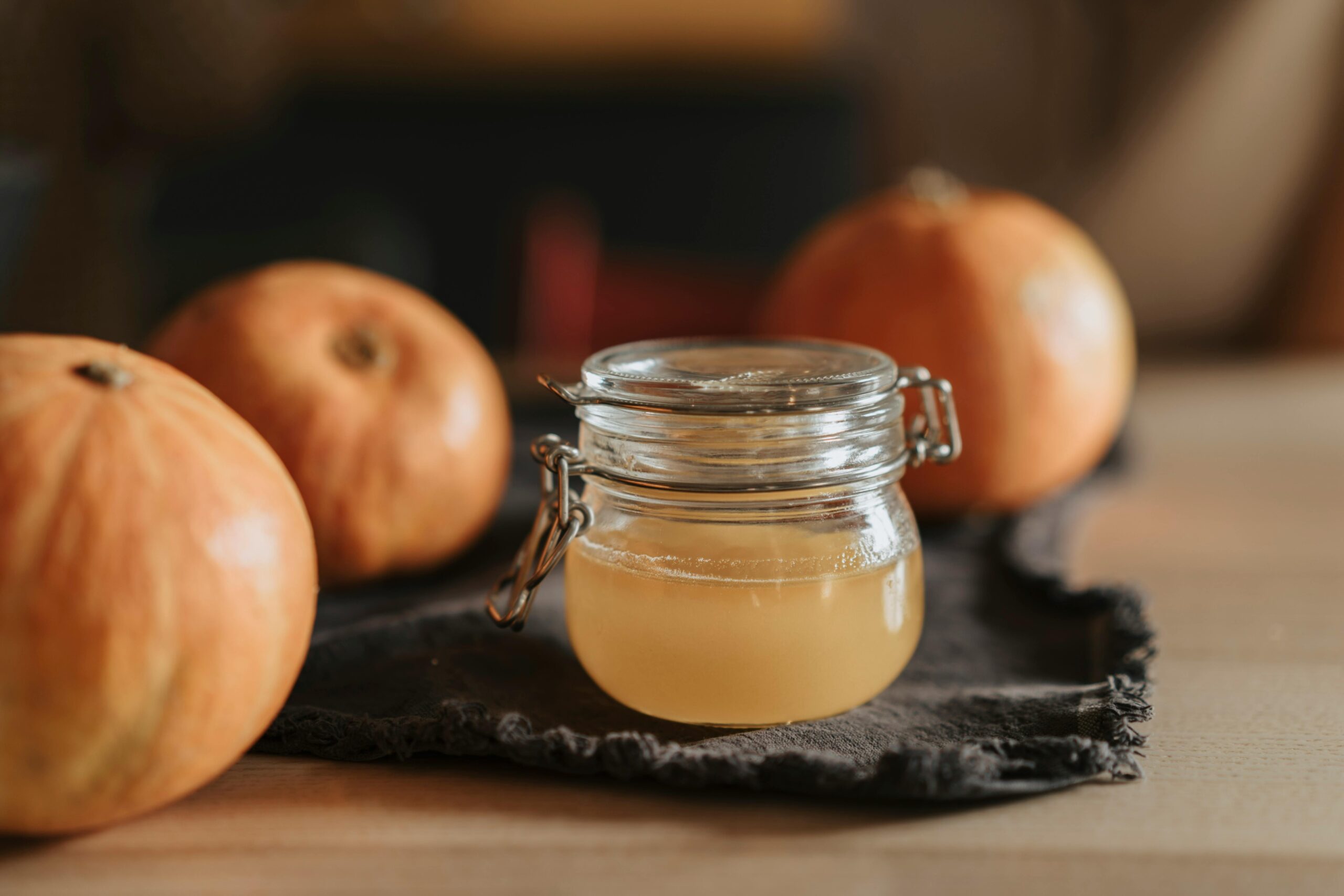
In the world of wellness, trends often cycle from the obscure to the ubiquitous. We’ve seen the rise of matcha, the reign of kombucha, and the explosion of oat milk. Now, a new challenger has entered the beverage aisle, and it’s likely sitting in your pantry right now: drinking vinegar.
Once relegated to salad dressings and pickling jars, vinegar—specifically apple cider vinegar (ACV) and fruit-infused “shrubs”—has rebranded itself as the functional beverage of 2025. Driven by a surge in gut-health awareness and the “sober curious” movement, vinegar drinks are no longer just a grandmother’s remedy; they are a sophisticated, science-backed staple for the modern health enthusiast.
But is the hype real? Can sipping on sour really sweeten your health? Here is the authoritative guide to drinking vinegar, the probiotic powerhouse you didn’t know you needed.
The “Sour” Revolution: Why Vinegar is Having a Moment
The data is clear: consumers are trading sugar for function. According to 2024-2025 market analysis, the functional beverage sector is projected to reach over $230 billion by 2030, with “digestive health” cited as a primary driver.
The modern palate is evolving. As the “sober curious” trend gains momentum, people are seeking non-alcoholic beverages that offer complexity and “bite”—a sensation often missing from sugary mocktails. Vinegar-based drinks, particularly shrubs (a syrup made of fruit, sugar, and vinegar), provide that sophisticated tangy kick that mimics the complexity of a cocktail, without the hangover.
Beyond the Burn: What Exactly Is Drinking Vinegar?
Before you start swigging white distilled vinegar from the jug, let’s clarify what “drinking vinegar” actually is.
1. Apple Cider Vinegar (ACV)
The gold standard of the category. Made from fermented apple juice, high-quality drinking ACV is raw, unfiltered, and unpasteurized. It contains the “Mother”—a cobweb-like colony of bacteria and yeast that is the source of its probiotic power.
2. Shrubs (The Culinary Choice)
A “shrub” is an old-fashioned preservation method dating back to Colonial America. It involves macerating fruit in sugar and vinegar to create a tart syrup. Today, mixologists and health brands are reviving shrubs as a delicious way to consume vinegar. They are often diluted with sparkling water to create a “prebiotic soda.”
3. Functional Vinegar Sodas
Brands like Poppi and Bragg have mainstreamed vinegar by masking the harsh acidity with natural flavors, creating ready-to-drink (RTD) cans that promise gut health with the fizz of a soda.
The Science: Probiotic, Prebiotic, or Postbiotic?
To understand why vinegar works, we need to get technical about what’s inside the bottle. You often hear vinegar called a “probiotic,” but that is only half the story.
The “Mother” Lode (Probiotics)
Raw vinegar contains live bacteria, specifically Acetobacter. While these are beneficial, vinegar’s environment is harsh. What makes it truly special isn’t just the live bugs, but what they leave behind.
The Real Hero: Acetic Acid (Postbiotics)
The fermentation process converts sugars into acetic acid. This is a postbiotic—a bioactive compound that confers health benefits. Recent research from 2024 highlights that acetic acid is the primary driver behind vinegar’s metabolic superpowers, not just the live bacteria themselves.
Prebiotic Potential
Apple-based vinegars contain pectin, a form of soluble fiber. Pectin acts as a prebiotic, essentially “fertilizer” for the good bacteria already living in your gut.
Expert Insight: Think of drinking vinegar less as a “seed” (probiotic) and more as the “fertilizer and climate control” (prebiotic/postbiotic) that creates the perfect environment for your gut microbiome to thrive.
4 Proven Health Benefits of Drinking Vinegar
The claims around vinegar are vast, but here is what the latest 12–18 months of research actually supports.
1. The Glucose Goddess Effect (Blood Sugar Control)
This is vinegar’s most documented benefit. A 2024 review of clinical trials reinforces that consuming 1–2 tablespoons of vinegar before a carbohydrate-heavy meal can significantly reduce blood sugar spikes.
- How it works: Acetic acid slows down the rate at which your stomach empties (gastric emptying) and blocks enzymes that break down starch.
- The Result: You get a slower, steadier release of energy instead of a sugar crash.
2. Gut Health & Digestion
Anecdotal evidence has long praised ACV for bloating, and science is catching up. By increasing the acidity in the stomach, vinegar can aid in the breakdown of proteins, potentially relieving symptoms of indigestion.
- Microbiome Diversity: Studies in mice (2024) have shown that vinegar consumption can up-regulate beneficial bacteria like Akkermansia and down-regulate inflammatory factors in the gut.
3. Weight Management Support
Let’s be realistic: vinegar is not a magic weight-loss pill. However, recent data suggests it is a helpful tool. By blunting insulin spikes and increasing satiety (fullness), vinegar can naturally lead to a lower caloric intake throughout the day.
- The Stat: Clinical trials have shown modest weight loss (approx. 2–4 lbs over 12 weeks) in participants who added vinegar to their daily routine without other major diet changes.
4. Antimicrobial “Cleanse”
Vinegar is a potent antimicrobial agent. Historically used to clean wounds, internally it may help manage the overgrowth of harmful bacteria in the gut, such as E. coli or Candida, acting as a gentle “reset” for your digestive tract.
How to Drink It: Recipes for the Modern Palate
Ready to incorporate vinegar into your life? Do not drink it straight. The acidity can damage your tooth enamel and esophagus. Always dilute it.
The “Morning Metabolism” Tonic
Best for: Daily gut maintenance and energy.
- Ingredients:
- 1 tbsp Raw Apple Cider Vinegar (with the Mother)
- 10-12 oz Warm Water
- Squeeze of Lemon
- Dash of Cayenne Pepper (boosts circulation)
- (Optional) 1 tsp Manuka Honey for sweetness
The “Sober Curious” Berry Shrub
Best for: Happy hour substitute or a refreshing afternoon lift.
- Ingredients:
- 1 cup Blackberries or Strawberries
- 1 cup Organic Cane Sugar
- 1 cup Apple Cider Vinegar
- Method:
- Muddle berries and sugar in a bowl. Let sit in the fridge for 24 hours (this extracts the juice).
- Strain out the solids.
- Whisk the vinegar into the berry syrup.
- To Serve: Mix 1 oz of Shrub syrup with 6 oz of Sparkling Water. Garnish with fresh mint.
Buying Guide: What to Look For
Not all vinegars are created equal. To reap the health rewards, you must be selective.
| Feature | What to Buy | Why? |
| Pasteurization | Unpasteurized / Raw | Heat kills the beneficial bacteria (The Mother). Clear vinegar is dead vinegar. |
| Filtration | Unfiltered | You want the cloudy sediment; that is where the nutrients and enzymes live. |
| Source | Organic | Apples appear on the “Dirty Dozen” list for pesticides. Concentrating them into vinegar concentrates the chemicals too. Go organic. |
| Acidity | 5% Acidity | The standard concentration for safety and effectiveness. |
Conclusion: The Sour Truth
Drinking vinegar is more than a fleeting TikTok trend; it is a return to ancestral wisdom supported by modern biochemistry. Whether you are looking to flatten your glucose curves, support your microbiome, or simply enjoy a complex, non-alcoholic beverage, vinegar is a versatile and accessible tool.
Key Takeaways:
- Dilute, Dilute, Dilute: Never drink it straight.
- Timing Matters: Drink it 15–20 minutes before a meal for maximum blood sugar benefits.
- Consistency is Key: One shot won’t fix a bad diet, but daily inclusion can shift your metabolic health over time.
- Read the Label: If it doesn’t say “With the Mother,” put it back.
Your gut is the center of your health. Sometimes, you just need to be a little sour to keep it sweet.
Frequently Asked Questions (FAQ)
Q: Will drinking vinegar damage my teeth? A: It can if you aren’t careful. Undiluted vinegar is highly acidic and can erode enamel. Always dilute it in water (at least 1:10 ratio) and consider drinking through a straw. Rinse your mouth with plain water afterwards.
Q: Can I drink vinegar while fasting? A: Yes, generally. A tablespoon of ACV contains only about 3 calories and does not spike insulin, meaning it will not break a fast. In fact, it may help suppress hunger pangs during a fast.
Q: Is it safe to drink vinegar every day? A: For most people, yes. 1–2 tablespoons per day is considered safe and beneficial. However, if you have low potassium levels or kidney issues, consult your doctor, as vinegar can alter electrolyte balance in large quantities.
Q: Does apple cider vinegar interact with medications? A: It can. Because it lowers blood sugar and potassium, it may interact with diabetes medications (like insulin) and diuretics. Always check with your healthcare provider if you are on prescription medication.
Q: What is the best time of day to drink it? A: The “gold standard” time is right before a meal, especially a carb-heavy one, to help blunt the glucose spike. However, drinking it first thing in the morning is also a popular way to wake up the digestive system.