Meta Description: Discover why 2026 is the year of the “Over-Optimization Backlash.” Learn why leading experts are pivoting from extreme biohacking to “average” sustainable health, and how to reclaim your energy from burnout.
It starts the same way for almost everyone. You wake up at 5:00 AM, not because you’re rested, but because the alarm says it’s time for “optimization.” You plunge into ice water, drink a sludge-colored nutrient slurry, and immediately check your smart ring to see if your recovery score is green. If it’s not, your day is ruined before it begins.
For the last decade, this was the gold standard of wellness. We were told to hack our biology, track every heartbeat, and optimize every waking second for peak performance.
But in 2026, the pendulum has swung.
Welcome to the Over-Optimization Backlash. Across the health and productivity sectors, a massive cultural shift is occurring. The data is clear: the relentless pursuit of “perfect” is making us sick, tired, and ironically, less healthy.
In this deep dive, we explore why “average” is no longer an insult—it’s the new benchmark for a sustainable, healthy life.
The Rise and Fall of the “Optimized Self“
To understand why we are collectively quitting the “grind,” we have to look at how we got here. From roughly 2015 to 2024, culture was dominated by the “Optimized Self.”
Influenced by Silicon Valley tech bros and biohacking influencers, health became an engineering problem to be solved. We didn’t just eat; we “fueled.” We didn’t just sleep; we “recovered.” Every biological function was measured against a dataset.
However, the “Peak Optimization” era hit a wall in late 2025. According to the Global Wellness Summit’s 2026 report, consumers are suffering from “wellness fatigue.” The market has flooded with so many devices, protocols, and supplements that people are experiencing decision paralysis.
The promise was that if we optimized enough, we would feel superhuman. Instead, we just felt busy.
The Data: Why We Are All So Tired
The shift toward “average” isn’t just a vibe shift; it is supported by alarming statistics regarding our collective mental and physical health.
- Global Burnout: A recent Gallup report indicated that 62% of full-time employees globally felt burnt out “often” or “always” in the past year, a historic high.
- Gen Z’s Well-being Crash: Despite being the most “wellness-literate” generation in history, Gen Z reports the lowest levels of mental well-being, suggesting that awareness and tracking alone are not cures.
- The Sleep Paradox: We are obsessed with sleep, yet we are sleeping worse. The American Academy of Sleep Medicine (AASM) released startling 2025 data showing that 76% of Americans claim their sleep anxiety is kept alive by the very devices meant to track it.
Orthosomnia: When Tracking Hurts
This phenomenon has a name: Orthosomnia. It is the unhealthy obsession with achieving “perfect” sleep data.
When you wake up feeling rested, but your tracker says your “Deep Sleep” was only 10%, you immediately feel tired. You effectively placebo yourself into exhaustion. The backlash we are seeing in 2026 is a direct rejection of this data-dependency. People are taking off the rings and watches to relearn how to listen to their bodies—a skill we outsourced to algorithms.
Expert Insight: “The healthiest metric is how you feel, not what the app says. If you feel good but your data says you’re failing, trust your body, not the beta test.” — Dr. Sabra Abbott, Sleep Medicine Specialist.
“Average” Redefined: The Science of Sustainable Health
Why is “average” suddenly the goal? In statistical terms, “average” often correlates with homeostasis—the state of steady internal, physical, and chemical conditions maintained by living systems.
Extreme peaks in performance usually require extreme valleys of recovery. By aiming for “average” consistency, we avoid the crash.
1. Nervous System Regulation > Metrics
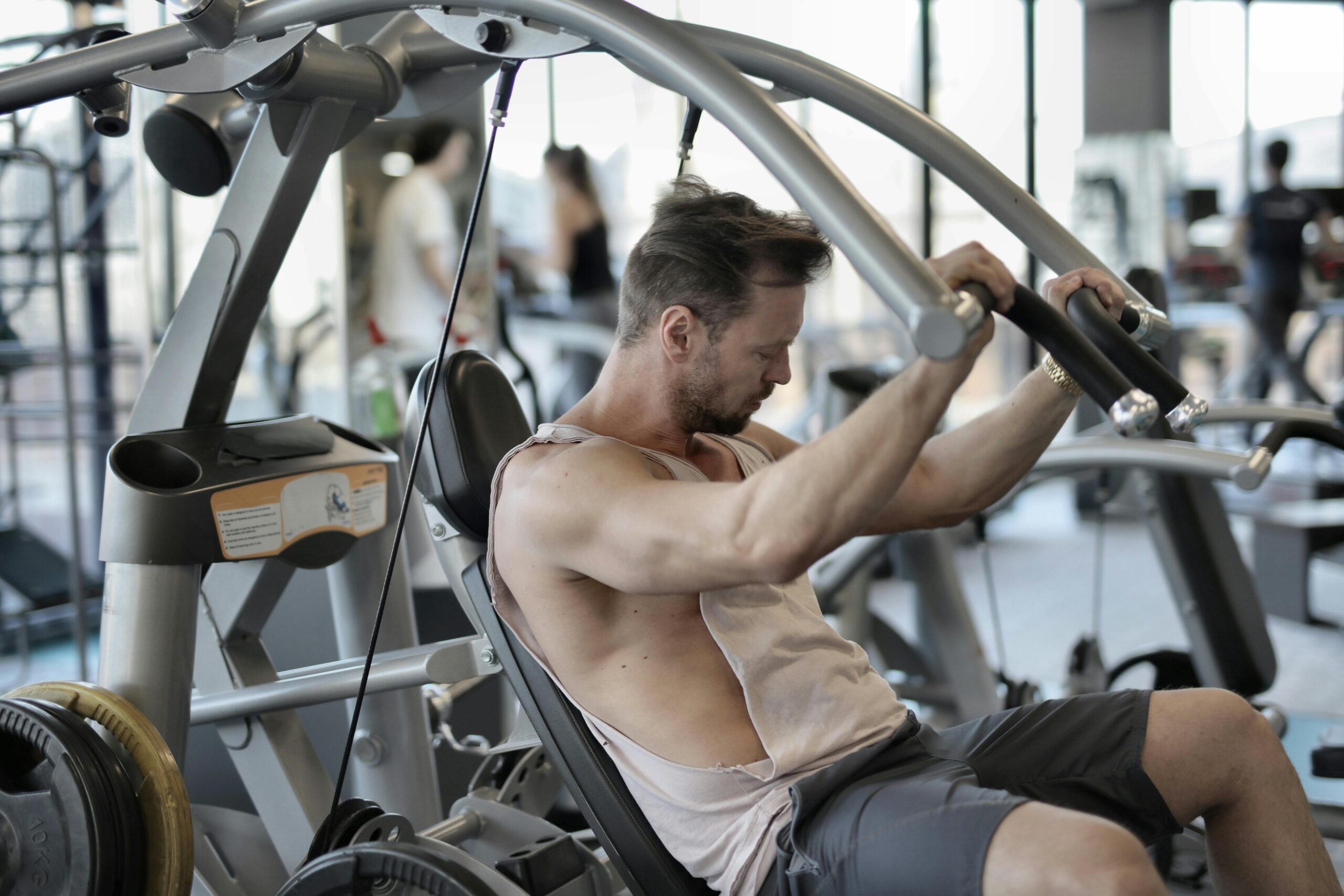
The high-intensity interval training (HIIT) craze of the 2010s spiked cortisol levels. While effective for short-term fitness, chronic high cortisol leads to inflammation and fatigue. The new goal is nervous system regulation.
“Average” exercise—like a 30-minute walk or a gentle bike ride—keeps the body in a parasympathetic state (rest and digest) rather than a sympathetic state (fight or flight).
2. The Power of “Satisficing”
Psychologist Herbert Simon coined the terms Maximizers (those who seek the absolute best result) and Satisficers (those who seek a result that is “good enough”).
Research consistently shows that Satisficers are happier. Maximizers may achieve marginally better objective results, but they suffer from higher anxiety, regret, and dissatisfaction. Embracing “average” is essentially a pivot to Satisficing.
The Cultural Pivot: From HIIT to “Cozy Cardio”
Nowhere is this shift more visible than in fitness trends. The grueling 5:00 AM bootcamp is being replaced by softer, more enjoyable movement.
The “Cozy Cardio” Phenomenon
Exploding on TikTok and solidified as a staple habit in 2026, Cozy Cardio involves low-impact exercise done in a comfortable environment—often in pajamas, with candles lit, watching a favorite TV show.
- The Goal: Enjoyment and consistency.
- The Result: People who hated the gym are now walking 5 miles a day on under-desk treadmills because it feels safe and pleasant.
The “Soft Life” and Sustainable Ambition
In the workplace, the “Soft Life” trend has evolved from a meme into a legitimate career strategy. It rejects the “Girlboss” hustle in favor of sustainable boundaries. It aligns with the “Quiet Quitting” movement, which has matured into simply “Doing Your Job.”
Employees are realizing that “average” performance—meeting expectations reliably without burning out—is often the most valuable trait to an employer long-term.
How Brands are Pivoting: Connection Over Calibration
Smart brands have noticed the shift. In 2024, marketing was about Calibration (faster, stronger, better). In 2026, it is about Connection.
- The “Festivalisation” of Wellness: The Global Wellness Summit notes a move toward communal experiences. People don’t want to sit in an infrared sauna alone; they want to go to a bathhouse with friends.
- De-Tech-ing Products: We are seeing a rise in “dumb” phones and analog watches as consumers try to reclaim their attention spans.
Actionable Steps: How to Strategically De-Optimize
Ready to join the backlash? You don’t have to abandon your health; you just need to change your approach.
- The “Naked” Week: Try going one week without wearing any tracking device. Sleep when you’re tired, eat when you’re hungry, and exercise until you feel done. Re-calibrate your internal sensors.
- The 80% Rule: Aim for B+ work. Whether it’s your diet or your job, stop trying to get an A+ every single day. The energy you save will prevent the burnout that leads to F grades later.
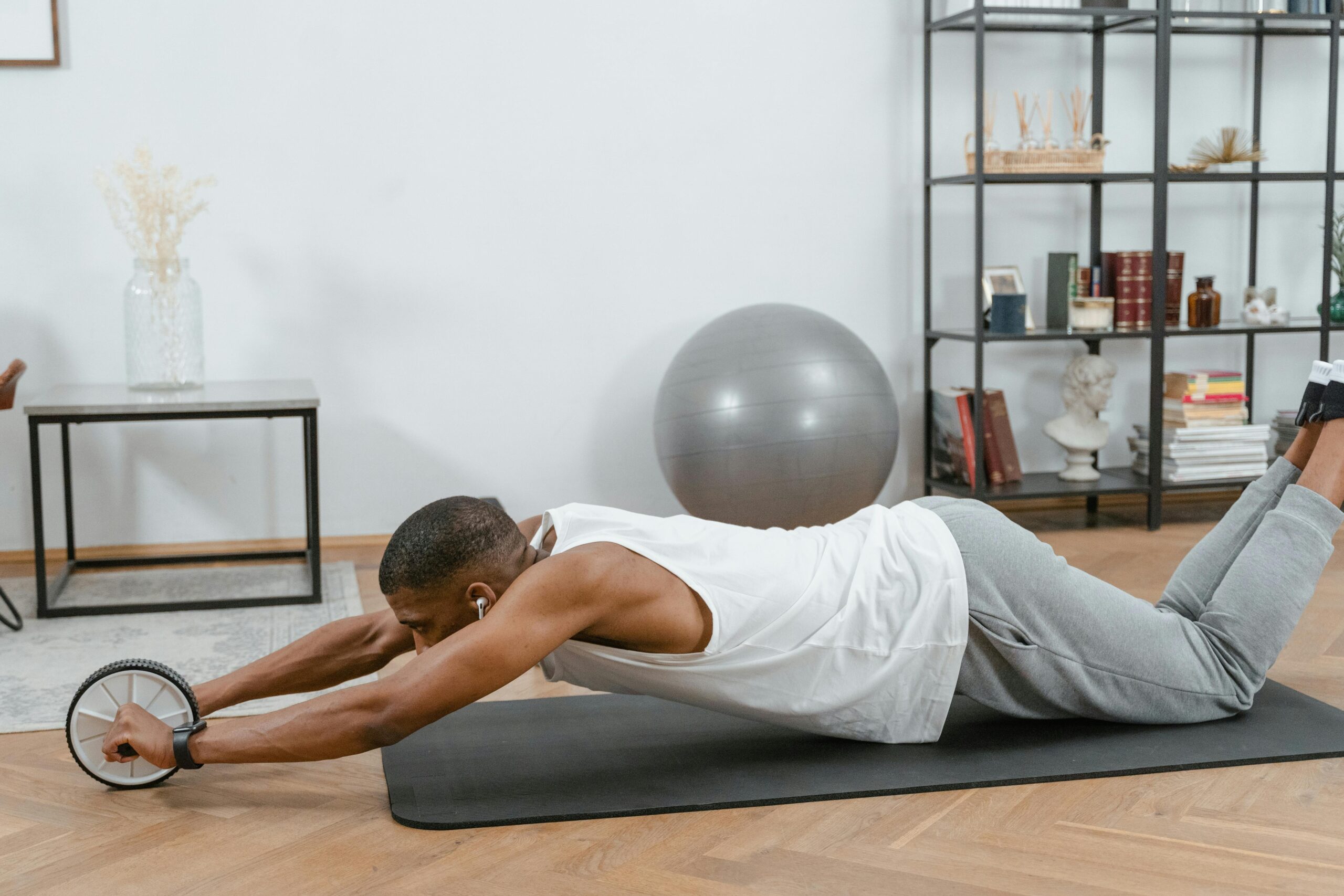
- Intuitive Movement: Replace two high-intensity workouts this week with a long walk or a stretching session. Notice if your energy levels stabilize.
- Digital Boundaries: Hard stops are essential. If work ends at 5:00 PM, the notifications must stop. The “always-on” lifestyle is the enemy of the “average” healthy nervous system.
Conclusion
The Over-Optimization Backlash isn’t about giving up; it’s about growing up. We are realizing that we are biological organisms, not operating systems. We cannot be debugged, upgraded, and optimized into immortality.
Embracing “average” doesn’t mean settling for mediocrity. It means settling for sustainability. It means building a life you don’t need a vacation from. In 2026, the healthiest thing you can be is consistently, happily, and wonderfully average.
Frequently Asked Questions (FAQ)
What is the Over-Optimization Backlash?
The Over-Optimization Backlash is a cultural and consumer trend occurring in 2025-2026 where individuals are rejecting extreme biohacking, excessive self-tracking, and hustle culture in favor of sustainable, moderate, and “good enough” health practices.
Why is “average” considered the new healthy?
“Average” promotes consistency over intensity. Extreme health regimes often lead to burnout, injury, or orthosomnia (sleep anxiety). A moderate, “average” approach maintains homeostasis and reduces cortisol, leading to better long-term health outcomes.
What is Orthosomnia?
Orthosomnia is a phenomenon where patients develop insomnia or sleep anxiety specifically because they are obsessed with the data from their sleep trackers. It was highlighted as a major issue in the 2025 American Academy of Sleep Medicine survey.
Is the “Cozy Cardio” trend effective?
Yes. While it burns fewer calories per minute than HIIT, “Cozy Cardio” has a much higher adherence rate. Because it is enjoyable and low-stress, people are more likely to do it consistently, which yields better long-term cardiovascular health than sporadic intense workouts.
How do I stop over-optimizing my life?
Start by removing tracking devices for short periods to reconnect with bodily cues. Shift your goal from “maximizing performance” to “regulating your nervous system.” Prioritize sleep and social connection over hitting specific data metrics.