In a world defined by the “distraction economy”—where the average knowledge worker checks their communication tools every 6 minutes—a counter-movement has emerged from the fringes of internet subculture to the boardrooms of the Fortune 500.
It’s called Monk Mode.
Once dismissed as an extreme ascetic practice for “hustle culture” devotees, Monk Mode has rebranded itself in 2024 and 2025 as a vital survival strategy for the digital age. It is no longer just about working harder; it is about reclaiming the cognitive sovereignty required to do deep work.
This comprehensive guide explores the rise of Monk Mode, the science behind its effectiveness, and how you can implement it to achieve what Georgetown professor Cal Newport calls “Deep Work” in a shallow world.
What Is “Monk Mode”? (Beyond the Robes)
At its core, Monk Mode is a period of enhanced focus, discipline, and isolation committed to completing a specific goal. It is a temporary tactical retreat from the noise of daily life to achieve a strategic advancement in your career, health, or personal development.
Unlike general “productivity hacks” which focus on efficiency (doing things faster), Monk Mode focuses on intensity (doing things deeper).
The Three Pillars of Monk Mode
According to 2025 productivity trends, a successful Monk Mode protocol is built on three non-negotiable pillars:
- Isolation (Social Friction): Deliberately reducing social obligations and “availability.” This means saying “no” to happy hours, weekend trips, and casual hangouts for a set period.
- Digital Minimalism: Severe restriction of digital inputs. This includes deleting social media apps, turning off notifications, and using “dumb phones” or app blockers.
- Biological Optimization: Acknowledging that the brain is part of the body. This involves strict sleep schedules, regular exercise, and zero alcohol/substances.
Expert Insight: “Monk mode acts as a self-development cocoon. You isolate yourself to emerge transformed.” — Niels Bohrmann, Author & Strategist
Why Now? The Science of the “Attention Recession”
The mainstreaming of Monk Mode isn’t an accident; it’s a response to a cognitive crisis. We are currently living through an “Attention Recession.”
The Cost of Context Switching
Recent data highlights the severity of our fragmented focus:
- 40% Productivity Loss: Studies conducted in late 2024 reveal that constant task-switching can reduce productivity by up to 40%.
- The “Residue” Effect: When you switch from Task A (coding) to Task B (checking Slack), your attention doesn’t immediately follow. A “residue” of your attention remains stuck on Task A, lowering your IQ for Task B.
- Burnout Rates: A 2025 survey suggests that 45% of professionals cite “digital overwhelm” as a primary driver of burnout.
Monk Mode works because it forces the brain into a Flow State—a neurological state where the prefrontal cortex (responsible for self-monitoring) quiets down, allowing for hyper-focus and a reported 500% increase in productivity during peak sessions.
The Protocol: How to Execute Monk Mode
There is no “one size fits all” Monk Mode. However, the most successful practitioners (from CEOs to students) typically follow one of two structures.
1. The “Sprint” Protocol (Beginner Friendly)
- Duration: 3 – 7 Days
- Best For: Clearing a backlog, finishing a specific project, or resetting dopamine baselines.
- The Rules:
- Phone on “Do Not Disturb” from 8 PM to 8 AM.
- No streaming services (Netflix, YouTube) or video games.
- One 4-hour block of deep work per day.
- Daily 30-minute walk (no headphones).
2. The “Transformation” Protocol (Advanced)
- Duration: 30 – 90 Days
- Best For: Launching a business, learning a new language, or a complete physical transformation.
- The Rules:
- Strict Diet: No alcohol, processed sugar, or “cheat meals.”
- The “90-Minute Rule”: Three distinct 90-minute deep work blocks per day.
- Zero Social Media: Apps deleted from the phone.
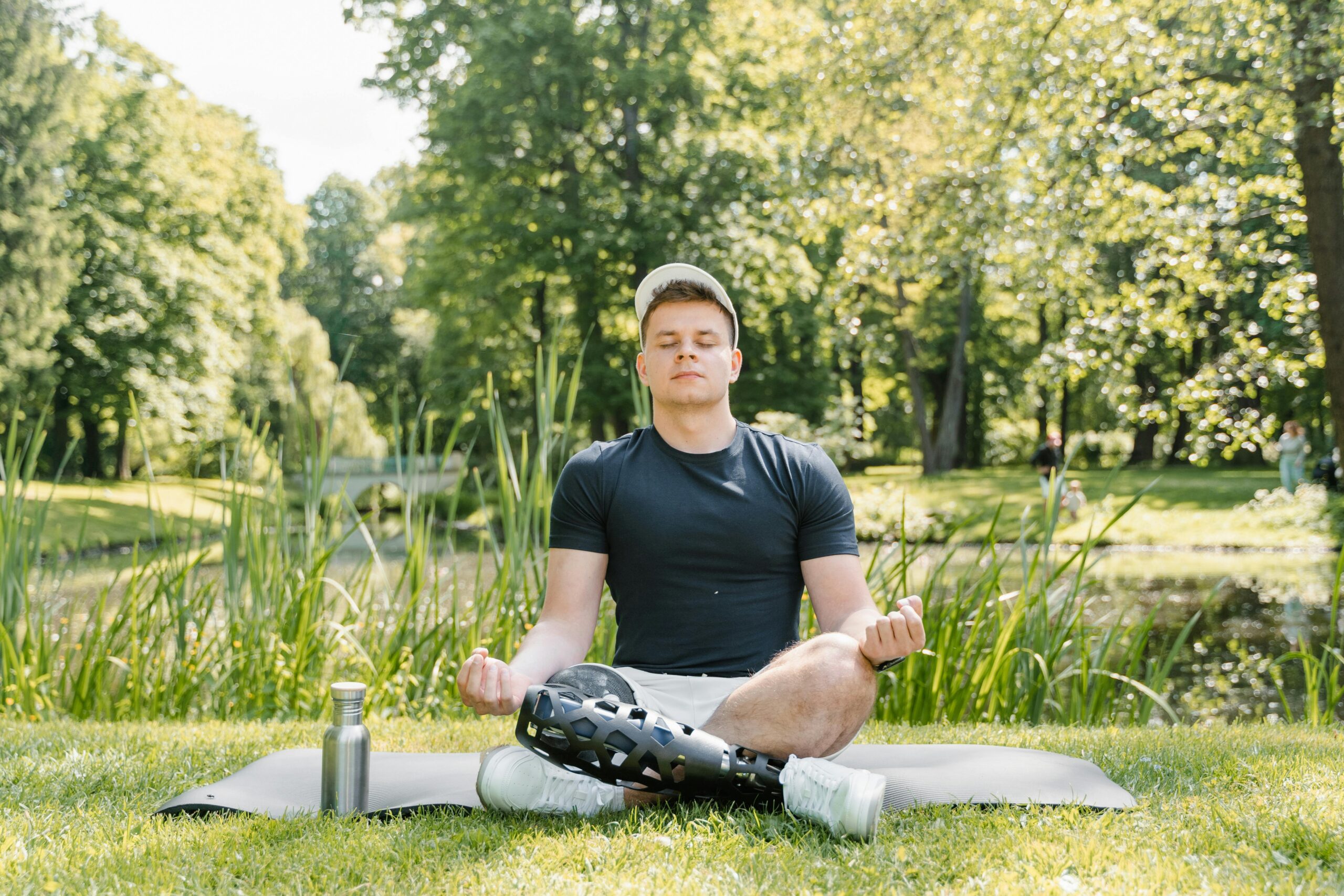
- Daily Meditation: 10–20 minutes to train impulse control.
Variable vs. Non-Negotiable
To make Monk Mode sustainable, you must define your “Variables” (things you can adjust) and “Non-Negotiables” (things you must do).
| Category | Non-Negotiables (Must Do) | Variables (Optional) |
| Tech | No social media scrolling | No email before 11 AM |
| Health | 30 mins exercise daily | Cold showers / Sauna |
| Work | 4 hours Deep Work | No meetings on Fridays |
| Diet | No alcohol | Intermittent Fasting |
Monk Mode vs. Dopamine Detox: What’s the Difference?
These terms are often used interchangeably, but they serve different functions in the SEO of self-improvement.
- Dopamine Detox is the Mechanism. It is a short-term physiological reset (usually 24-48 hours) designed to lower your tolerance for high-stimulation activities like TikTok scrolling or junk food.
- Monk Mode is the Lifestyle. It is the long-term application of that focus toward a productive output.
Think of it this way: Dopamine Detox clears the weeds; Monk Mode plants the garden.
The Tech Stack: Using Apps to Block Apps
Ironically, the rise of Monk Mode has birthed a new software vertical: “Anti-Distraction Tech.” In 2025, these tools are essential for those lacking ironclad willpower.
- Opal / Freedom: These apps use a VPN to hard-block social media apps on your phone during scheduled hours. You literally cannot open Instagram, even if you want to.
- Forest: Gamifies focus. If you leave the app to check a text, your digital tree dies.
- Cold Turkey: The “nuclear option” for desktop computers. It can block your entire computer for a set duration, forcing you to step away or write with pen and paper.
The Dark Side: Risks and Criticisms
While powerful, Monk Mode is not without its critics. The “Lock In” mentality, if taken too far, can lead to negative outcomes.
- The Loneliness Epidemic: Extended isolation can strain relationships. It is crucial to communicate your “unavailable” status to friends and family before starting.
- The “Binge-Purge” Cycle: Some practitioners go extreme for 30 days, only to “binge” on cheap dopamine (junk food, partying) the moment it ends. Monk Mode should be a reset, not an eating disorder for your attention span.
- Hustle Porn: Be wary of influencers selling Monk Mode courses. Real Monk Mode is boring, quiet, and repetitive—not a cinematic montage set to techno music.
Conclusion
Monk Mode has graduated from a Reddit subculture to a mainstream lifestyle because it solves a modern problem: we are drowning in information but starving for wisdom.
By “locking in” for a dedicated period, you aren’t just getting more work done; you are retraining your brain to find satisfaction in depth rather than breadth. Whether you choose a 3-day sprint or a 90-day transformation, the ability to disconnect is the ultimate competitive advantage in 2026.
Actionable Takeaways
- Define Your “Why”: Don’t start Monk Mode without a clear goal (e.g., “Launch my website”). Aimless isolation leads to depression, not production.
- Start Small: Try a “Monk Mode Weekend” before committing to a month.
- Prepare Your Environment: clear your desk, buy noise-canceling headphones, and delete the apps before Day 1.
FAQ: Frequently Asked Questions
Q: Is Monk Mode healthy?
A: Yes, if balanced. It promotes mental clarity and reduces stress caused by multitasking. However, it requires proper sleep, nutrition, and social “check-ins” to remain sustainable.
Q: How long should Monk Mode last?
A: Most experts recommend 21 days to build a habit or 90 days for a significant life change. Anything longer than 90 days without a break risks burnout.
Q: Can I do Monk Mode while having a job/family?
A: Absolutely. This is often called “Monk Mode Lite.” You perform your duties during the day but adhere to strict isolation and focus protocols during your free time (mornings/evenings) instead of watching TV or scrolling.
Q: What do I do if I fail/break the rules?
A: Do not abandon the entire protocol. Acknowledge the slip-up, analyze the trigger (e.g., “I was tired, so I grabbed my phone”), and restart the next morning.