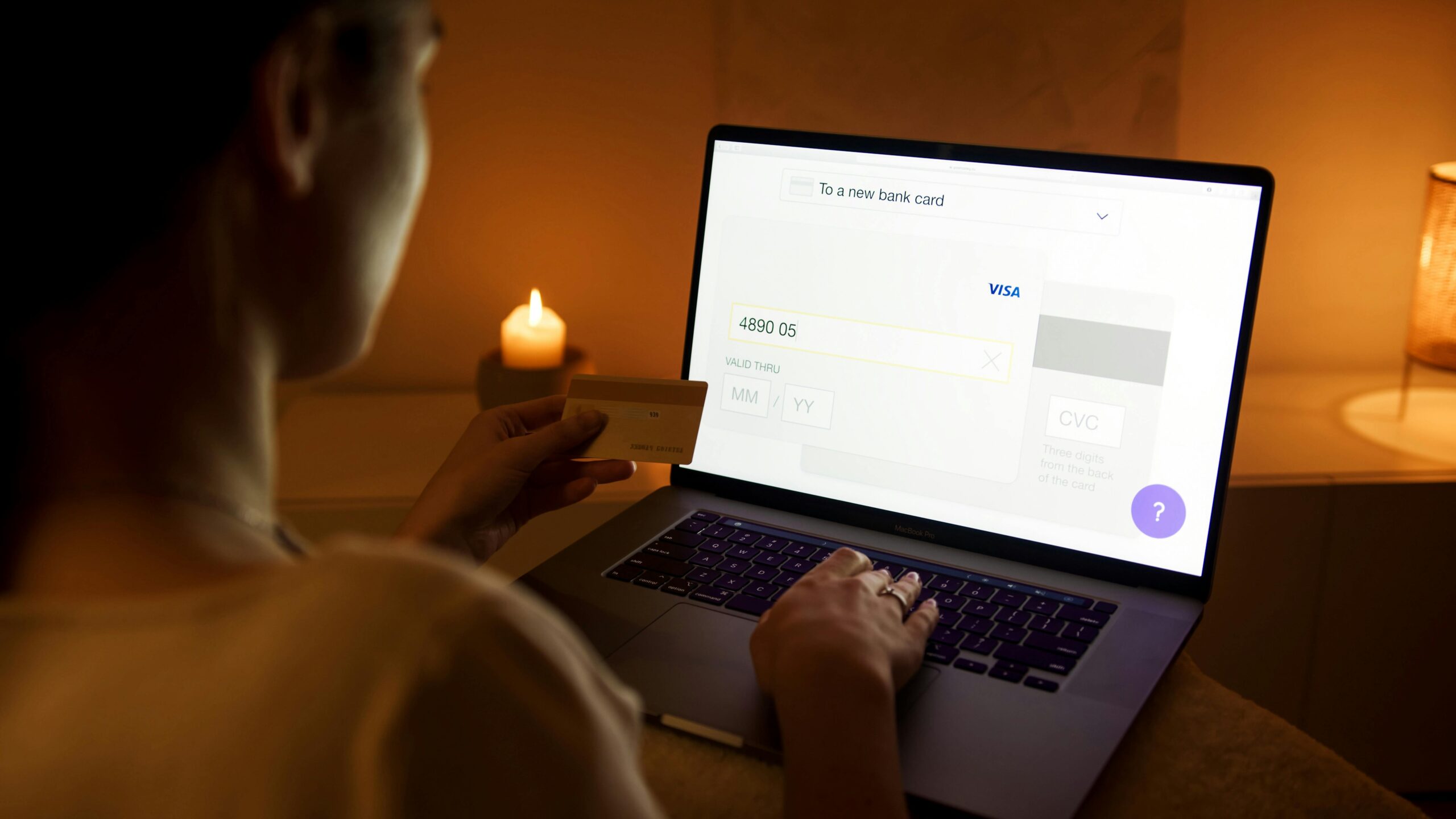
The notification is becoming all too familiar for parents across the globe: a vague email from the school district mentioning a “network incident,” followed weeks later by the crushing revelation that their child’s sensitive data—medical records, home addresses, and Social Security numbers—is for sale on the dark web.
For years, the financial and healthcare sectors were the primary targets of cybercriminals. But as we move through 2026, the crosshairs have shifted. Schools are no longer just places of learning; they are goldmines of unencrypted, high-value data protected by budget-strapped IT departments.
The recent PowerSchool breach, which exposed data related to tens of millions of students, was not an anomaly—it was a warning shot. This article dissects the anatomy of this silent epidemic, analyzes the latest 2025-2026 statistics, and provides an authoritative roadmap for educators and parents fighting to protect the digital identities of the next generation.
The State of School Cybersecurity (2025–2026)
To understand the severity of the threat, we must look at the numbers. The narrative that schools are “small targets” is demonstrably false. According to data analyzed from late 2024 through the first half of 2025, the education sector has become a preferred hunting ground for sophisticated threat actors.
Key Statistics You Cannot Ignore
- A 23% Surge in Ransomware: Reports from H1 2025 indicate a 23% year-over-year increase in ransomware attacks targeting educational institutions.
- Widespread Prevalence: A shocking 60% of K-12 school principals reported experiencing at least one cybersecurity incident in the 2024–2025 school year, according to recent RAND Corporation surveys.
- The Cost of Recovery: The average ransom demand for schools has stabilized around $556,000, but the total cost of recovery—including downtime, legal fees, and credit monitoring—often exceeds millions.
- Supply Chain Vulnerability: The attack surface has expanded beyond school servers. Third-party vendors (EdTech providers) are now the primary vector for mass-scale data breaches.
Industry Insight: Hackers have shifted tactics. They are less interested in locking up grade books and more interested in “double extortion”—stealing sensitive student data and threatening to leak it publicly unless a ransom is paid.
Why Schools? The “Soft Target” Paradox
Why would sophisticated cybercriminal gangs, often backed by nation-states, target a local elementary school? The answer lies in the Data-Rich, Resource-Poor paradox.
1. The Value of a “Clean” Slate
A child’s credit history is a blank canvas. Unlike adults, who monitor their bank accounts and credit scores, children typically do not use their credit until they turn 18. This allows identity thieves to use a stolen child’s Social Security number to open credit cards, take out mortgages, or file fraudulent tax returns for years before detection.
2. The EdTech Sprawl
Post-pandemic, schools have adopted hundreds of digital tools. From cafeteria payment apps to cloud-based learning management systems (LMS), every new vendor adds a potential backdoor into the school’s network.
3. The Budget Gap
While banks spend billions on cybersecurity, schools often rely on general IT staff to manage security. A single IT administrator might be responsible for 2,000 devices, leaving little time for proactive threat hunting or patch management.
Anatomy of the Threat: How Attacks Happen in 2026
The methods used to breach school systems have evolved. It is no longer just about someone clicking a bad link.
The Supply Chain Crisis (The PowerSchool Effect)
In 2025, the education sector witnessed one of its largest compromises. The PowerSchool breach highlighted the fragility of the supply chain. Attackers didn’t need to hack thousands of individual schools; they compromised a single centralized platform, granting them potential access to data affecting millions of students and teachers.
The Lesson: You are only as secure as your least secure vendor.
The Rise of “Shadow AI”
A new vector emerging in late 2025 is Shadow AI. Teachers and students are increasingly inputting sensitive data into unvetted Artificial Intelligence tools to grade papers or write essays. These “free” tools often scrape input data to train their models, inadvertently exposing student PII (Personally Identifiable Information) to the public domain without a single line of code being hacked.
The Insider Threat: Students as Hackers
Perhaps the most disturbing trend is the rise of the “insider threat.” A recent report by the UK Information Commissioner’s Office (ICO) revealed a startling statistic: nearly 57% of insider cyber incidents in schools were traced back to students.
- Motivation: Often not financial, but driven by “dares,” curiosity, or a desire to bypass web filters.
- Impact: While often unintentional, these breaches can open gaps that professional criminals later exploit.
The Human Cost: Beyond the Budget
When a corporation gets hacked, they lose money. When a school gets hacked, children lose their privacy.
The “Doxing” Nightmare
In several high-profile ransomware cases in 2024 and 2025, gangs like Vice Society followed through on their threats. They published raw data files containing:
- Student psychiatric evaluations.
- Reports of domestic abuse or foster care status.
- Special education (IEP) records.
- Scans of student passports and birth certificates.
This information, once public, cannot be “scrubbed.” It creates a permanent digital footprint that can lead to bullying, discrimination, and predatory targeting.
Actionable Defense: A Strategic Blueprint
School boards and administrators must move from reaction to resilience. Here are the non-negotiable pillars of K-12 cybersecurity for 2026.
1. Mandatory Multifactor Authentication (MFA)
There is no excuse for a lack of MFA in 2026. Every staff member with access to student records—from the superintendent to the substitute teacher—must use MFA. This single step can stop 99% of credential-based attacks.
2. Vendor Risk Management (VRM)
Schools must audit their digital supply chain. Before signing a contract with an EdTech provider, ask:
- Where is the data stored?
- Do you have a SOC 2 Type II compliance report?
- What is your data deletion policy?
3. Data Minimization
If you don’t collect it, they can’t steal it. Schools notoriously hoard data. Districts should implement strict retention policies, automatically purging old records of students who graduated years ago.
4. Segmenting the Network
Student devices (iPads, Chromebooks) should never be on the same network layer as the administration’s financial and HR systems. Network segmentation acts as a blast door, preventing a student’s infected laptop from spreading malware to the payroll server.
Conclusion: The Time for Complacency is Over
The epidemic of cyber attacks on schools is not a technical problem; it is a child safety crisis. As we navigate 2026, the mindset must shift. Cybersecurity is as vital to student safety as fire drills and background checks.
For parents, the question is no longer “How are my child’s grades?” but “How is my child’s data?” For administrators, the mandate is clear: invest in defense now, or pay the ransom later—with your students’ futures as the currency.
Frequently Asked Questions (FAQ)
Why are cybercriminals targeting K-12 schools specifically?
Criminals target schools because they house valuable, unblemished data (student SSNs) often protected by weak cybersecurity infrastructure. Schools are viewed as “soft targets” that are more likely to pay ransoms to avoid disrupting learning.
What was the impact of the PowerSchool data breach?
While specific numbers fluctuate as investigations continue, the 2025 incident involving systems connected to PowerSchool highlighted supply chain risks, potentially exposing the personal data of millions of students and staff across heavily populated districts.
Can student data be recovered after a ransomware attack?
If a ransom is paid, schools might receive a decryption key to unlock files, but there is no guarantee that stolen data will be deleted by criminals. Once data is exfiltrated (stolen), it is often sold on the dark web regardless of payment.
What should I do if my child’s school suffers a data breach?
Immediately freeze your child’s credit with all three major bureaus (Equifax, Experian, TransUnion). Monitor for suspicious mail in your child’s name and be wary of phishing emails claiming to be from the school asking for updated information.
Are students themselves responsible for cyber attacks?
Yes, a growing number of incidents are caused by students. The UK ICO reported that over half of insider breaches in schools were initiated by students, often motivated by dares or curiosity rather than malicious intent.