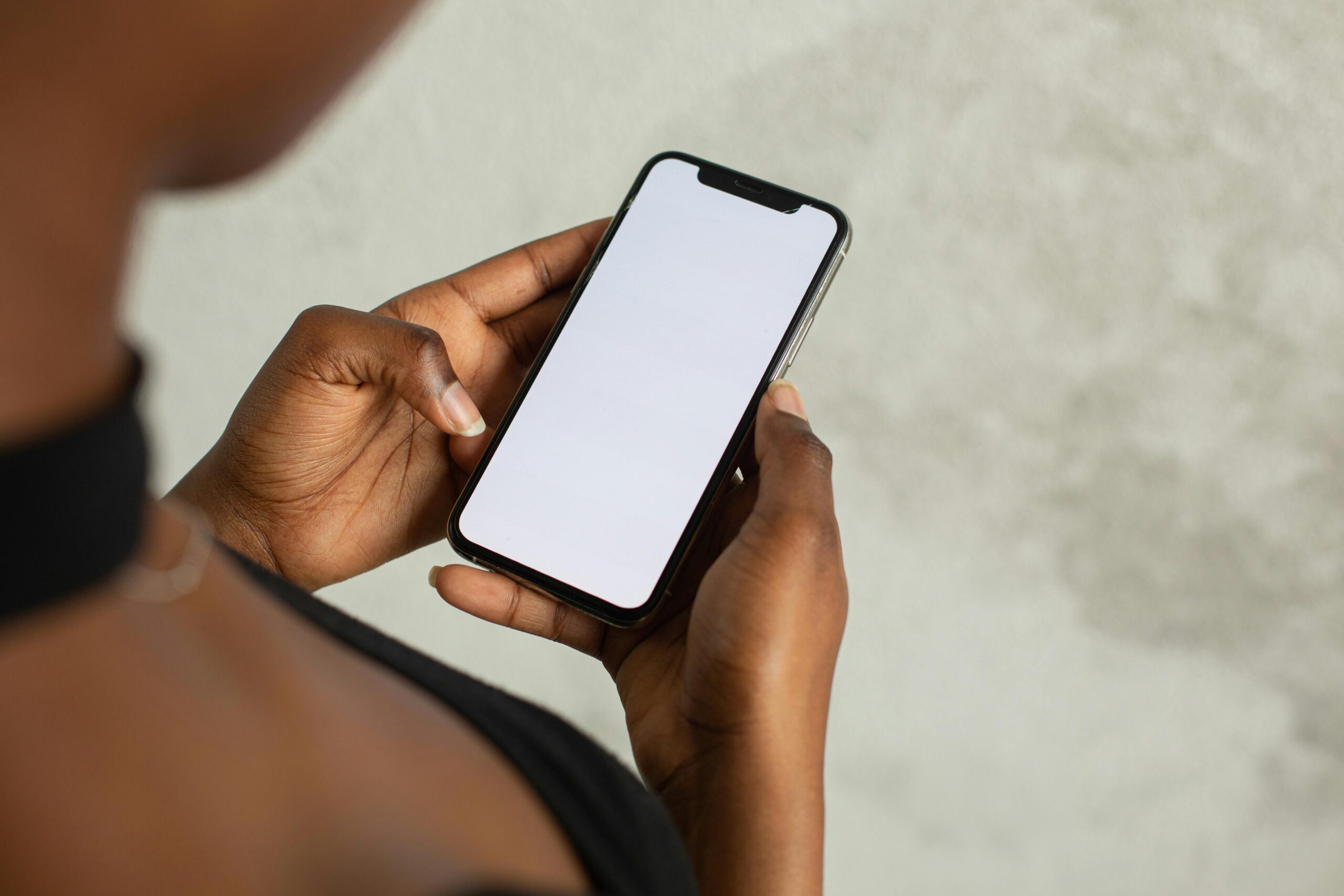
It’s 11:00 PM. You promise yourself you’ll watch just one more minute.
Next thing you know, it’s 2:00 AM. You’ve just watched 45 episodes of The Double Life of My Billionaire Husband, and you just paid $4.99 to unlock the season finale.
Welcome to the world of micro-dramas (also known as vertical dramas or minisodes)—the most explosive content trend of the last 18 months. These bite-sized, high-octane soap operas are upending the traditional entertainment model, trading 45-minute TV episodes for 60-second dopamine hits designed specifically for the smartphone generation.
In this deep dive, we explore the psychology behind the addiction, the multi-billion dollar market explosion, and why Hollywood is terrified of these 9:16 aspect ratio stories.
What Are Micro-Dramas? The Vertical Revolution
Micro-dramas are scripted series filmed vertically (9:16) for mobile viewing. Unlike YouTube Shorts or TikTok skits, these are fully produced narratives with complex (albeit fast-paced) plotlines.
- Format: Episodes last 60 to 90 seconds.
- Structure: A typical series has 50 to 100 episodes.
- Platform: Distributed via dedicated apps like ReelShort, DramaBox, and ShortMax, rather than traditional streamers like Netflix.
The “Hooked by Ten” Rule
In traditional TV, a pilot has 20 minutes to set the scene. In a micro-drama, the hook must happen in the first 5 seconds. The pacing is relentless: a betrayal in second 10, a slap in second 30, and a massive cliffhanger by second 55.
Industry Insight: Recent data from 2025 suggests that the “churn point” for vertical drama is now under 3 seconds. If the emotional payoff isn’t immediate, the user swipes away.
The Science of Addiction: Why You Can’t Stop Watching
Why are these low-budget stories so hypnotic? The answer lies in neuroscience and game design. Micro-dramas borrow their engagement model not from cinema, but from mobile gaming (like Candy Crush).
1. The Dopamine Loop
Every episode is engineered to deliver a specific emotional spike—anger, shock, or vindication. This rapid cycling creates a dopamine feedback loop. When an episode ends on a cliffhanger, the brain demands resolution, prompting you to click “Next” or pay to unlock.
2. The “Sunk Cost” of Time
Because each episode is only a minute long, the barrier to entry is zero. “It’s just one minute” is a psychological trap. Once you are 10 minutes in, you are emotionally invested in the character’s revenge arc, making it harder to stop.
3. Mobile-First Intimacy
The vertical format fills the entire phone screen, creating an illusion of intimacy. Close-up shots of actors’ faces dominate the frame, fostering a stronger parasocial connection than widescreen TV, which is often viewed from a distance.
Market Explosion: By the Numbers (2024–2025)
If you think this is a niche fad, look at the revenue. The global micro-drama market is growing at a breakneck pace, driven by an insatiable appetite for fast entertainment.
| Metric | 2024/2025 Statistic | Source |
| Global Market Size | Projected to hit $11 Billion by 2025/2026 | Omdia / MPA |
| Top App Revenue | ReelShort & DramaBox generated ~$250M in Q1 2025 alone | Sensor Tower |
| US Growth | US market revenue grew 3x year-over-year | TechCrunch / Industry Reports |
| Downloads | Top apps exceeded 370M downloads globally | Sensor Tower |
The “China-to-Global” Shift
While the format originated in China (where the market is worth over $15 billion), the real story of 2024 was the westernization of the genre.
Apps like ReelShort (backed by COL Group) began filming in Los Angeles using American actors, proving that the format translates globally. They aren’t just dubbing Chinese shows anymore; they are producing native content for the US, Latin America, and Europe.
The Content Formula: Billionaires, Werewolves, and Slaps
The success of micro-dramas relies on strict adherence to specific tropes. These are not subtle nuances; they are raw emotional triggers.
The “Big Three” Genres
- The CEO Romance: Usually involves a hidden identity. Example: A janitor is secretly a billionaire CEO who buys the company to protect his mistreated wife.
- The Revenge Arc: A protagonist is humiliated in episode 1 (often at a wedding or banquet) and spends the next 99 episodes destroying their enemies.
- The Supernatural (Werewolf/Vampire): popular in Western markets. Example: “Fated to My Forbidden Alpha.”
The Scripting Strategy
Writing for micro-dramas is a unique skill.
- No B-Plots: There is no time for side characters unless they directly impact the main conflict.
- Constant Conflict: Every line of dialogue must advance the fight or the romance.
- The “Slap” Metric: Industry insiders often joke about “slaps per minute.” Physical or emotional confrontations are required to keep the audience alert.
Monetization: The “Pay-to-Unlock” Economy
Unlike Netflix (subscription) or YouTube (ads), micro-dramas use a hybrid micropayment model.
- Freemium Hook: The first 10–15 episodes are free.
- Pay-Per-View: To watch episode 16, you must pay “coins” (approx. 10–15 cents per episode).
- Ad-Supported Option: Users can watch 30-second ads to earn free coins, but this is capped (e.g., 5 ads per day), frustrating binge-watchers into paying cash.
This model allows for massive Revenue Per User (RPU). A dedicated fan might spend $50–$80 to finish a single season—far more than a monthly streaming subscription.
Future Trends: What’s Coming in 2026?
As the market matures, the “wild west” era of low-budget production is ending. Here is where the industry is heading:
1. Hollywood Enters the Chat
Major studios and streamers are noticing the retention rates. Expect to see “Mini-Series” tabs on major platforms like Netflix or Amazon Prime, or acquisitions of top micro-drama apps.
2. AI-Assisted Production
AI is already being used for script generation and dubbing, but 2026 will see AI video generation (like Sora or Gen-3) lowering production costs for background scenes and special effects, allowing for more “sci-fi” and “fantasy” genres on a budget.
3. Interactive Storytelling
Apps are testing “Choose Your Own Adventure” mechanics where users pay extra coins to decide the protagonist’s choice (e.g., Slap the mother-in-law vs. Walk away).
Conclusion & Takeaways
Micro-dramas are not replacing movies; they are replacing boredom. They have colonized the “in-between” moments of our lives—the commute, the bathroom break, the waiting room. By hacking the dopamine reward system with rapid-fire storytelling, they have built a multi-billion dollar industry almost overnight.
Key Takeaways for Readers:
- The Format is King: Vertical, 60-second episodes are the new standard for mobile engagement.
- Psychology Drives Revenue: The micropayment model works because it leverages the “cliffhanger effect” to bypass price sensitivity.
- Global Phenomenon: This is no longer just a Chinese trend; it is a dominant force in US and European entertainment.
Frequently Asked Questions (FAQ)
1. What is the most popular micro-drama app?
As of late 2024 and early 2025, ReelShort and DramaBox are the market leaders globally. Other rising platforms include ShortMax, FlexTV, and TikTok’s own initiatives.
2. How much does it cost to watch a micro-drama?
Most apps offer the first 10–20 episodes for free. Afterwards, a full series (80–100 episodes) can cost between $20 and $50 if you pay for coins, though waiting for daily free unlocks is an option.
3. Why are micro-dramas filmed vertically?
They are designed for native mobile consumption. Vertical video (9:16) allows users to watch comfortably with one hand without rotating their phones, mirroring the experience of scrolling through social media feeds.
4. Are micro-dramas the same as Quibi?
No. Quibi failed because it tried to sell high-budget, “Hollywood” content in short chunks with a subscription model. Micro-dramas succeed because they are low-budget, fast-turnaround, and use a “pay-as-you-go” model that lowers the initial barrier to entry.
5. Who is the target audience for micro-dramas?
Originally, the demographic skewed heavily toward women aged 25–45 interested in romance genres. However, 2025 data shows a rapid expansion into male demographics with “revenge,” “underdog,” and “thriller” genres gaining massive popularity.