For the better part of a decade, cauliflower has reigned supreme. From pizza crusts to “rice” and buffalo wings, this cruciferous giant seemed untouchable. But as we settle into 2026, the culinary landscape has shifted. According to Vogue and Pinterest’s “Cabbage Crush” prediction, a new king has been crowned.
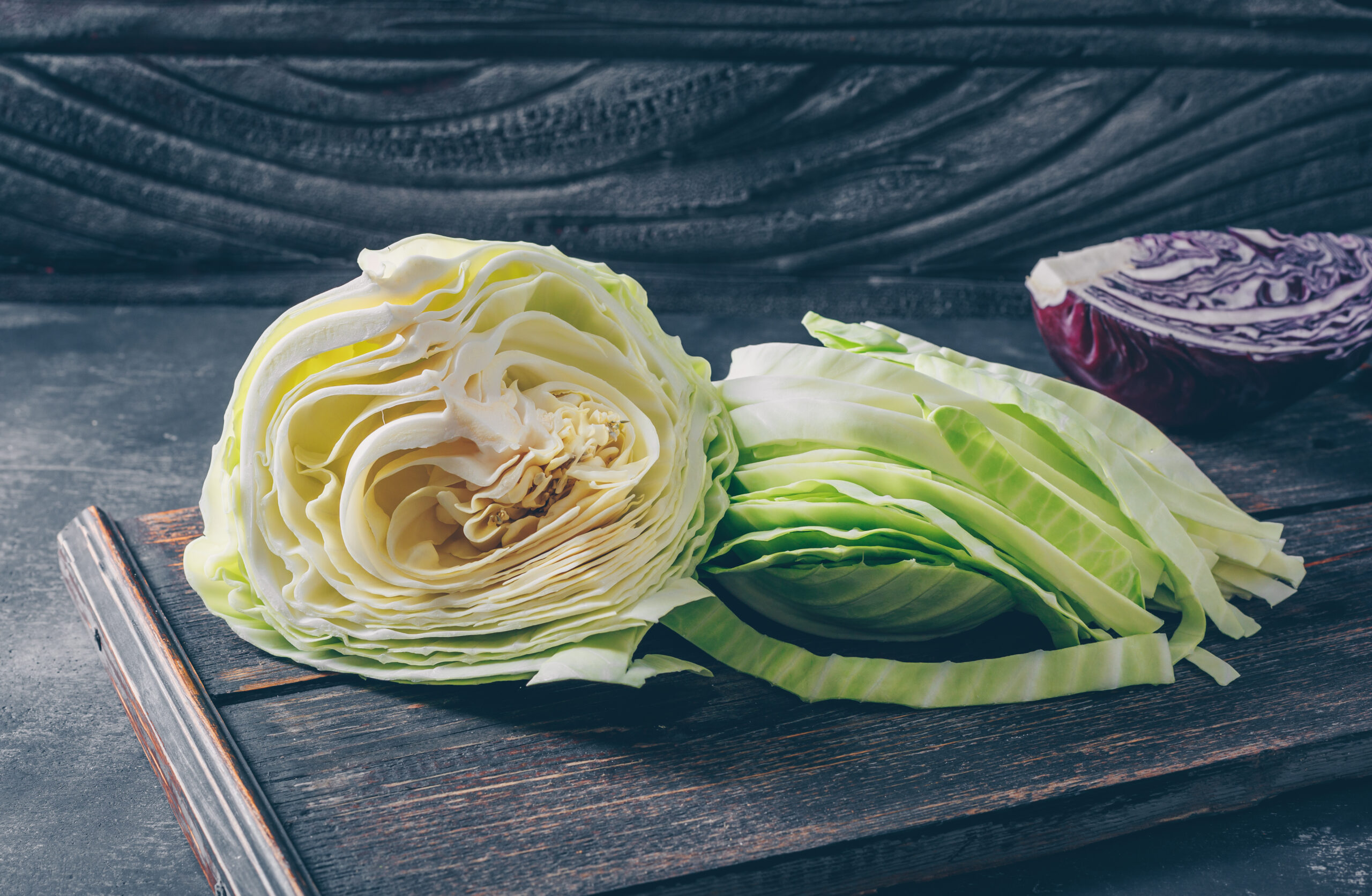
Cabbage is the 2026 Vegetable of the Year.
Driven by economic shifts, a massive focus on gut health (“fibermaxxing”), and viral TikTok trends like “melting cabbage,” this humble brassica is shedding its reputation as a bland side dish to become the centerpiece of global plates. Here is why cabbage is taking over and why you should be adding it to your menu immediately.
1. The “Inflation-Proof” Superfood: Why Cabbage Wins on Value
The primary driver behind cabbage’s meteoric rise in 2025 and 2026 is simple economics. With global food prices remaining volatile, consumers and chefs alike are seeking ingredients that offer maximum volume and nutrition for minimal cost.
- Yield Efficiency: Unlike cauliflower, which loses 40% of its weight once the core and leaves are removed, cabbage is nearly 100% edible. A single head of green cabbage ($2–$3) can feed a family of four multiple times.
- Shelf-Life Superiority: While spinach wilts in three days and cauliflower develops dark spots in a week, a head of cabbage can survive in the crisper drawer for up to two months.
- Economic Safety Net: Market analysis from IndexBox (2025) highlights cabbage as a “safety net” crop, with consumption spiking as consumers tighten their belts without wanting to sacrifice fresh produce.
“Cabbage rewards the technique you use to serve it—fire and seasoning matter more than cost.” — Kyle Knall, Chef & Restaurateur.
2. Nutritional Showdown: Cabbage vs. Cauliflower
While cauliflower is healthy, cabbage is chemically superior for the specific wellness concerns of 2026: Gut Health and Inflammation.
The modern consumer is obsessed with the microbiome. Cabbage is one of the few vegetables that naturally carries Lactobacillus bacteria on its leaves, making it the perfect vessel for fermentation (sauerkraut, kimchi).
The Data: Raw Cabbage vs. Cauliflower (Per 100g)
| Nutrient | Green Cabbage | Red Cabbage | Cauliflower | Winner |
| Calories | 25 kcal | 31 kcal | 25 kcal | Tie |
| Fiber | 2.5g | 2.1g | 2.0g | Cabbage |
| Vitamin C | 36.6mg (41% DV) | 57mg (63% DV) | 48mg (53% DV) | Red Cabbage |
| Vitamin K | 76µg (63% DV) | 38µg (32% DV) | 15.5µg (13% DV) | Green Cabbage |
| Anthocyanins | Low | High | None (in white var.) | Red Cabbage |
| Sulforaphane | High | High | Moderate | Cabbage |
Key Insight: Green cabbage provides nearly 5x the Vitamin K of cauliflower, essential for bone density and blood health. Red cabbage beats cauliflower in Vitamin C and contains anthocyanins, the powerful antioxidants responsible for fighting oxidative stress and lowering heart disease risk.
3. Sustainability: The Climate-Resilient Crop
As climate change alters growing seasons, sustainability is no longer a buzzword—it’s a supply chain necessity.
- Heat Tolerance: Varieties like “Tropical Emperor” can withstand higher temperatures that would cause cauliflower to “bolt” (flower prematurely) and become bitter.
- Water Usage: Cabbage generally requires less water per calorie produced than cauliflower and broccoli.
- Vertical Farming: 2026 has seen a boom in hydroponic cabbage farming (Source: Farmonaut), allowing for year-round, pesticide-free production in urban centers.
4. Viral Trends: How We Are Eating Cabbage in 2026
Social media has rebranded cabbage from “peasant food” to “luxury plating.” If you haven’t tried these trends, you are missing out.
The “Melting Cabbage” Phenomenon
Originating on TikTok in late 2025, this technique involves braising thick wedges of cabbage in aromatics (garlic, shallots) and stock until they become spreadable like butter. It turns a crunchy vegetable into a rich, savory comfort food that rivals mashed potatoes.
Kimchi Cocktails
Move over, Bloody Mary. The savory, umami-packed brine of kimchi is the new “it” mixer. Bars from New York to Seoul are serving Kimchi Margaritas and Soju fizzes, leveraging the “swicy” (sweet + spicy) flavor profile that dominates 2026 palates.
Charred “Steaks” 2.0
The cauliflower steak is dead. The cabbage steak—seared hard to caramelize its natural sugars and served with rich sauces like tahini, chimichurri, or miso butter—offers a meatier texture and deeper flavor complexity.
5. Actionable Takeaways for Your Kitchen
- Buy Red for Health: If you want maximum antioxidants, swap green cabbage for red. The pigment is where the power lies.
- Don’t Boil It: Boiling releases the sulfur compounds that create that “old gym sock” smell. Roast, char, or ferment instead.
- Ferment at Home: A simple jar of sauerkraut takes 20 minutes to prep and provides months of probiotics.
- Use it as a Carb Swap: Large cabbage leaves make better, crunchier taco shells than processed keto wraps.
Conclusion
The reign of cauliflower was long and fruitful, but 2026 belongs to cabbage. It aligns perfectly with the current global zeitgeist: it is affordable for the budget-conscious, protective for the health-conscious, and a blank canvas for the culinary creative. Whether you are “fibermaxxing” or just trying to save money on your grocery bill, it’s time to embrace the crunch.
Frequently Asked Questions (FAQ)
Why is cabbage considered healthier than cauliflower in 2026?
While both are nutritious, cabbage is currently favored for its superior Vitamin K content (crucial for bone health) and its natural ability to be fermented. Fermented cabbage (kimchi/sauerkraut) provides probiotics that cauliflower cannot, addressing the massive consumer interest in gut health.
Will eating cabbage cause gas and bloating?
Cabbage contains raffinose, a complex sugar that can cause bloating. To minimize this, cook the cabbage (roasting or sautéing breaks down these sugars) or eat fermented cabbage, which is pre-digested by bacteria and easier on the stomach. Adding caraway seeds or ginger during cooking also helps digestion.
What is the “Melting Cabbage” trend?
“Melting Cabbage” is a viral cooking method where cabbage wedges are seared and then slow-roasted or braised in broth/butter until they are incredibly tender and “melt” in your mouth. It transforms the vegetable’s texture from crunchy to creamy.
Is cabbage a good vegetable for weight loss?
Yes. Cabbage is incredibly low in calorie density (approx. 25 calories per cup) but high in fiber and water volume. This allows you to eat a large portion and feel full (satiated) without consuming excess calories, a concept known as “volume eating.”
Can I eat the core of the cabbage?
Yes! The core is often discarded, but it is edible. It is tougher than the leaves, so it is best sliced thinly for stir-fries or diced fine for soups. It contains the same nutrients as the rest of the head.