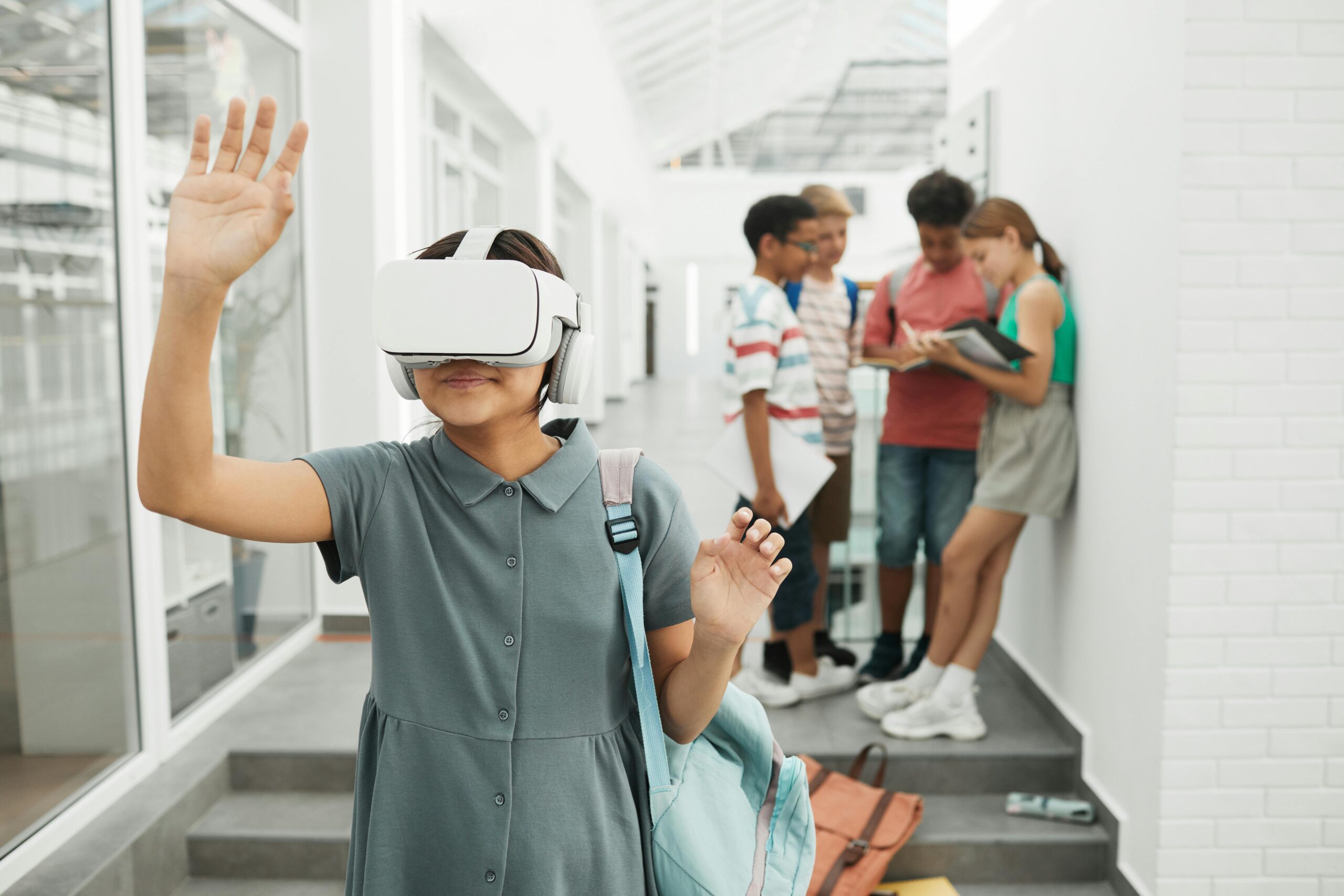
In an era where digital connectivity is reshaping how we learn, work, and explore, the concept of travel has transcended physical boundaries. Virtual Field Trips (VFTs) have evolved from simple slideshows into immersive, 360-degree experiences that transport users from the depths of the Pacific Ocean to the surface of Mars—all within seconds.
For educators, businesses, and curious travelers, VFTs are no longer just a “Plan B” for when physical travel isn’t possible; they are a powerful, standalone tool for engagement, accessibility, and sustainability. With the global virtual tour software market projected to grow significantly through 2026, driven by advancements in VR (Virtual Reality) and AI, the way we experience the world is undergoing a permanent transformation.
This comprehensive guide explores the explosive rise of virtual field trips, the best platforms to use in 2025-2026, and how they are revolutionizing education and corporate culture.
Why Virtual Field Trips Matter in 2026
The shift toward virtual exploration is not a temporary trend; it is a fundamental change in how we access information and experiences. Recent data from Fortune Business Insights indicates that the virtual tour software market is booming, with the education and real estate sectors leading the charge.
The Core Benefits
- Unmatched Accessibility: VFTs democratize travel, allowing students from low-income backgrounds or individuals with mobility challenges to visit world-class museums and historical sites.
- Cost-Efficiency: Schools and companies save thousands on logistics, insurance, and travel expenses.
- Global Reach & Safety: Explore conflict zones, hazardous environments (like active volcanoes), or distant planets without physical risk.
- Sustainability: Virtual travel significantly reduces carbon footprints, aligning with the growing global emphasis on eco-friendly practices.
Virtual Field Trips for Education: Beyond the Classroom Walls
Education is the primary driver of VFT adoption. Teachers are increasingly using these tools to boost student engagement and retention rates. According to recent educational technology reports, immersive learning can improve knowledge retention by up to 75% compared to traditional lecture-style learning.
Top Educational Platforms & Experiences (2025-2026)
1. Google Arts & Culture
A staple in digital learning, Google Arts & Culture partners with over 2,000 cultural institutions.
- Best For: Art history, geography, and social studies.
- Highlight: The “Pocket Gallery” feature uses augmented reality (AR) to project life-size art into the user’s physical space.
2. Discovery Education
Known for high-quality production, Discovery Education offers “Virtual Field Trips” that connect students with scientists, engineers, and authors.
- Best For: STEM education and career exploration.
- Highlight: Behind-the-scenes tours of major tech companies and manufacturing plants.
3. The Louvre & The British Museum
Major museums have overhauled their digital presence. The Louvre’s virtual tours now offer high-definition 360-degree views of the Mona Lisa and the Venus de Milo without the crowds.
- Best For: History and art immersion.
- Highlight: Interactive “walking” tours that simulate the physical experience of wandering museum halls.
4. Nearpod VR
Nearpod integrates VR field trips directly into lesson plans, allowing teachers to guide students through synchronized experiences.
- Best For: K-12 interactive lessons.
- Highlight: Over 100,000 ready-to-teach interactive lessons that include VR components.
Pro Tip for Educators: Use VFTs as a “hook” to start a unit. For example, before teaching the Solar System, take students on a virtual tour of the International Space Station (ISS) to spark curiosity.
The Corporate Shift: Virtual Team Building & Remote Culture
As remote and hybrid work models stabilize in 2025, companies are pivoting from “Zoom happy hours” to structured virtual experiences. Virtual team building is now a critical strategy for maintaining company culture and combating remote isolation.
Trending Corporate Virtual Experiences
| Experience Type | Description | Best For |
| Virtual Escape Rooms | Teams work together to solve puzzles and “escape” a digital scenario within a set time. | Problem-solving & Collaboration |
| Online City Tours | Live guides walk teams through cities like Rome, Tokyo, or Paris via streaming video. | Cultural Appreciation & Relaxation |
| Virtual Factory Tours | Companies tour supplier facilities or competitor plants virtually. | Industry Knowledge & Training |
| VR Meeting Spaces | Using headsets to meet in a 3D digital office (e.g., Meta Horizon Workrooms). | Immersive Meetings & Brainstorming |
Why It Works
- Inclusivity: Introverted employees often feel more comfortable engaging in a structured virtual environment than a loud physical bar or event.
- Data-Driven Engagement: Platforms can track participation levels, helping HR departments measure the ROI of team-building activities.
The Technology Behind the Magic: AI and VR Trends
The quality of virtual field trips has skyrocketed due to two key technologies:
1. Artificial Intelligence (AI) Personalization
AI is now being used to curate personalized tour experiences. For instance, a virtual museum guide can adapt its narration language and complexity based on the age group or interest level of the user.
2. The Rise of “Phygital” Tourism
Travel agencies are observing a “try before you buy” trend. According to Sabre’s 2025 travel insights, travelers are increasingly using virtual tours to scout destinations before booking physical trips, creating a blend of physical and digital (“phygital”) tourism.
How to Create a Successful Virtual Field Trip Strategy
Whether you are a teacher planning a lesson or a manager organizing a team retreat, follow these steps for maximum impact.
Step 1: Define the Learning Objective
Don’t choose a destination just because it looks cool. Ask: What do I want my audience to take away from this?
- Example: “I want my team to understand our supply chain better” (choose a Factory Tour) vs. “I want to boost morale” (choose a Virtual Safari).
Step 2: Test the Tech
Glitchy audio or lagging video can ruin the immersion.
- Ensure all participants have compatible devices (tablets, VR headsets, or just laptops).
- Check bandwidth requirements for high-definition streaming.
Step 3: Incorporate Interactivity
Passive watching leads to boredom.
- For Students: Use scavenger hunt worksheets where they must find specific items in the 360-degree view.
- For Employees: Include live Q&A sessions with the tour guide or host.
Step 4: Debrief and Reflect
The magic happens after the trip.
- Host a discussion group or assign a creative project (e.g., “Design your own museum exhibit”) to solidify the experience.
Conclusion
Virtual field trips have matured from a novelty into a necessity. They bridge the gap between imagination and reality, offering a sustainable, accessible, and deeply engaging way to explore our universe. As we move further into 2026, the line between physical and digital travel will continue to blur, making the world smaller and more accessible for everyone.
Actionable Takeaway: If you are an educator, commit to integrating one virtual field trip into your curriculum this month using a free tool like Google Arts & Culture. If you are a business leader, replace your next standard video call with a guided virtual tour of a city relevant to your industry. The engagement boost will be immediate.
Frequently Asked Questions (FAQ)
What is a virtual field trip?
A virtual field trip (VFT) is a digital experience that allows users to visit a location remotely. These can range from simple video tours and interactive 360-degree panoramas to fully immersive Virtual Reality (VR) simulations requiring a headset.
Are virtual field trips free?
Many are! Platforms like Google Arts & Culture, The Nature Conservancy, and Discovery Education offer hundreds of free high-quality tours. However, specialized corporate team-building tours or premium educational content may charge a fee.
Do I need a VR headset for a virtual field trip?
No. Most virtual field trips are designed to be accessible via standard laptops, tablets, and smartphones. While a VR headset (like an Oculus/Meta Quest) provides a more immersive experience, it is rarely a strict requirement.
How do virtual field trips benefit students?
Research shows that VFTs increase student motivation, improve vocabulary, and help visual learners grasp complex concepts. They also provide equitable access to experiences that might be too expensive or dangerous for a physical school trip.
Can virtual field trips replace real travel?
Not entirely. While they offer visual and auditory immersion, they cannot replicate the sensory details of smell, taste, and touch, or the spontaneity of physical travel. They are best viewed as a powerful supplement to physical travel or an alternative when physical travel is impossible.