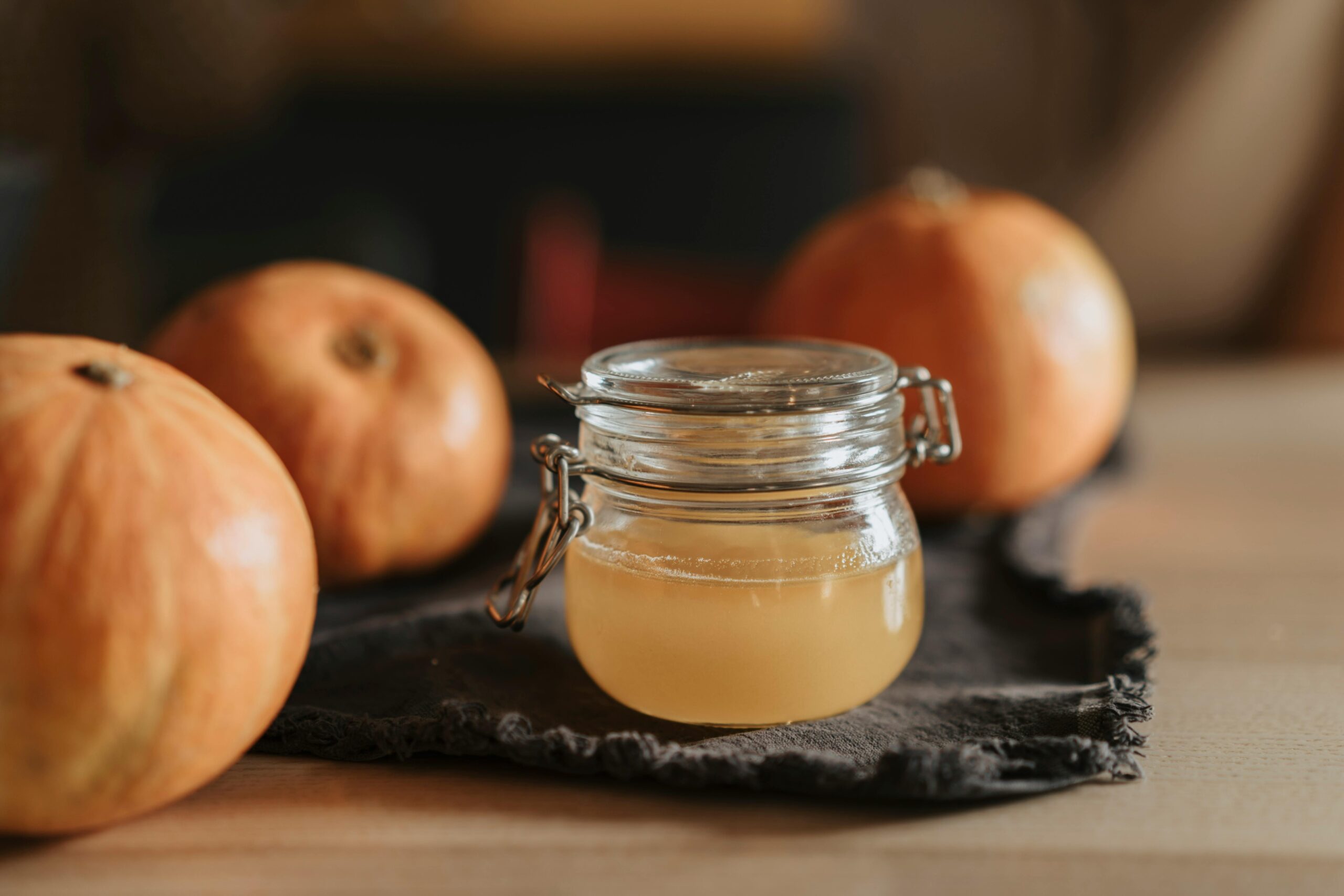
Shrubs — drinking vinegar-based beverages that were a staple of colonial American home preservation — have been quietly reviving in bartending contexts for about a decade, where their tartness and complexity make them exceptional mixers. The more recent wellness framing of drinking vinegar, centred on apple cider vinegar, has moved the conversation toward functional drink territory — which is more complicated, because the evidence for ACV’s benefits is real but considerably more modest than the wellness industry suggests. Let’s start with what’s genuinely true, work through what’s overstated, and end with the part of this that’s simply a very good drink regardless of functional claims.
The Apple Cider Vinegar Evidence
The most replicated finding in ACV research is the effect of acetic acid on post-meal blood glucose. Multiple randomised trials have found that consuming vinegar before or with a carbohydrate-containing meal reduces the post-meal glucose spike by approximately 20 to 35 percent. The mechanism is inhibition of amylase (the enzyme that breaks starch into glucose) and slowing of gastric emptying. This is a real, meaningful effect — particularly relevant for people managing blood glucose.
The weight loss and metabolism claims are more equivocal. A 2009 Japanese study found modest reductions in body weight and visceral fat with two tablespoons of ACV daily over 12 weeks, but effect sizes were small and the study hasn’t been robustly replicated. The probiotic claims for raw ACV “with the mother” are biologically plausible but not well-evidenced in human trials — whether those bacteria survive stomach acid in sufficient numbers to colonise the gut is genuinely uncertain.
The Shrub: Making It Actually Drinkable
A tablespoon of straight cider vinegar in water is, to put it charitably, unpleasant. The acidity that makes it biologically interesting also makes it harsh, and regular undiluted consumption isn’t good for tooth enamel. A shrub solves this. The basic ratio: equal parts fruit, sugar, and vinegar. Fruit macerates with sugar overnight, drawing out its juices; strain, combine with vinegar. Dilutes at roughly one part shrub to four or five parts sparkling water and keeps indefinitely in the fridge.
Strawberry and black pepper shrub: 200g crushed fresh strawberries, 200g white sugar, 200ml apple cider vinegar, one teaspoon cracked black pepper. Combine fruit and sugar, leave overnight, strain firmly, add vinegar and pepper, bottle. Diluted with sparkling water and ice, it’s one of the better non-alcoholic drinks I’ve encountered — bright, berry-forward, complex, and bracingly tart. The functional claims around drinking vinegar are real enough to take seriously and modest enough that they shouldn’t be the primary reason you make these. Make them because they taste extraordinary. The blood glucose benefit is a bonus.

One thought on “Drinking Vinegar: The Hottest Probiotic Trend”