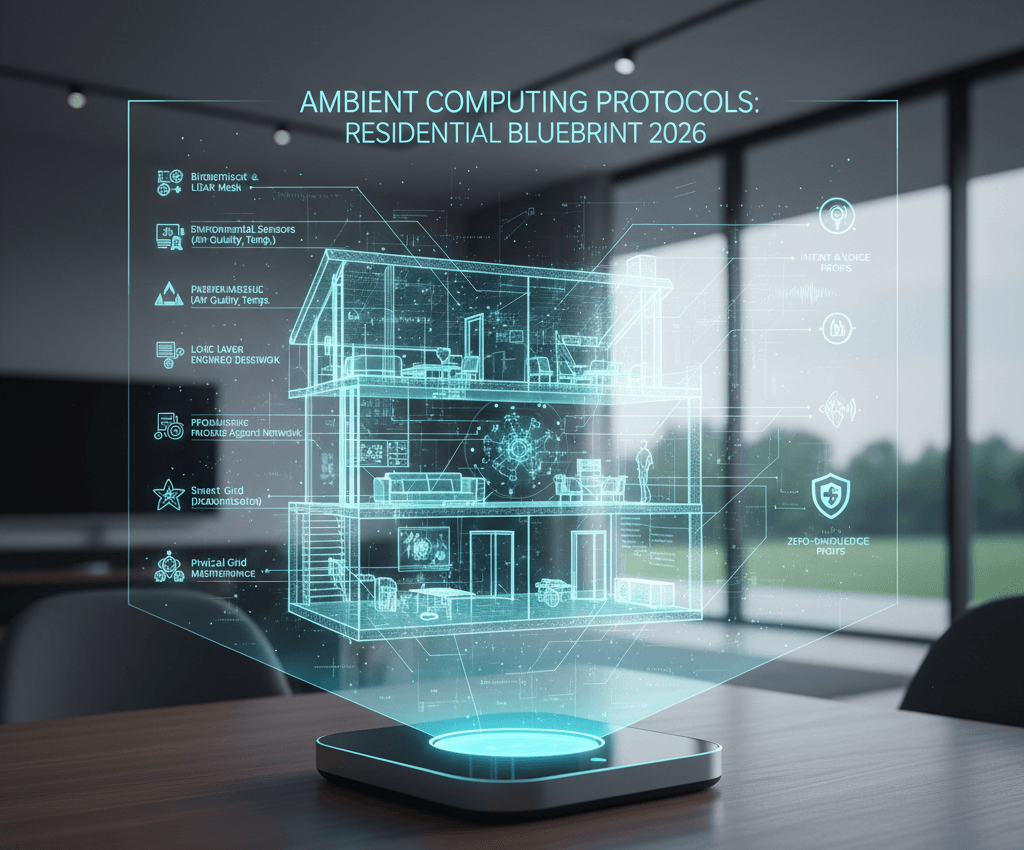
Mark Weiser wrote about calm technology in 1995, describing a future in which computing would recede into the background of daily life — present and useful without demanding attention. He envisioned a world where technology amplified human capability without requiring you to manage or interact with it consciously. He called it “ubiquitous computing,” and it was more prescient than most technology visions from that era, though the timeline he imagined was optimistic by a couple of decades.
What’s happening now in ambient computing protocols is the infrastructure-level work that makes Weiser’s vision technically achievable. Ambient computing describes technology that is woven into the environment — the building, the car, the healthcare device, the workplace — rather than carried as a discrete object. The protocols that govern how these systems communicate, authenticate, share context, and coordinate without requiring human management are the unglamorous engineering foundation on which ambient computing actually runs.
The Protocol Challenge
The reason ambient computing has been slower to arrive than expected is not fundamentally about hardware capability — we have had sufficient processing power, sensing capability, and wireless bandwidth for ambient systems for years. The bottleneck has been protocol fragmentation: the inability of devices from different manufacturers, running different operating systems, using different wireless standards, to communicate reliably and securely without significant human configuration.
Your smart home circa 2020 was a good illustration of this problem. You might have had Alexa-compatible devices, Apple HomeKit devices, Google Home devices, and a set of brand-specific smart devices that talked to each other only through their respective apps, with no unified layer and frequent synchronisation failures. The user experience of “ambient” technology was, in practice, significantly less seamless than marketing implied.
Matter as a Foundation
The Matter standard — developed by the Connectivity Standards Alliance with participation from Apple, Google, Amazon, and Samsung — represents the most significant attempt to resolve this fragmentation for the home environment. A device certified for Matter can be controlled by any Matter-compatible controller, regardless of ecosystem. As of 2025, the adoption rate among smart home device manufacturers has accelerated significantly, and the consumer experience of smart home setup has measurably improved as a result.
Matter is a start, but it addresses primarily the home environment and largely the device-control layer. The ambient computing vision extends well beyond light switches and thermostats to healthcare environments, commercial buildings, industrial facilities, and urban infrastructure — each of which has its own requirements for security, reliability, and latency that a consumer-grade protocol doesn’t fully address.
Industrial Ambient Protocols
In industrial environments, the OPC-UA (Unified Architecture) standard has been the workhorse of machine-to-machine communication for years, now being extended with MQTT and TSN (Time-Sensitive Networking) for real-time, deterministic communication in manufacturing contexts. The convergence of OT (operational technology) networks with IT networks — which has historically been resisted because OT systems prioritised stability over connectivity — is accelerating as the economics of connected industrial systems become clearer.
The security implications of this convergence are significant. Industrial control systems that were previously air-gapped (physically disconnected from external networks) are now being connected, which dramatically increases the attack surface. The Colonial Pipeline ransomware attack in 2021 demonstrated the catastrophic potential of this vulnerability. Ambient computing protocols in industrial settings therefore need to carry security architecture at their foundation rather than as an afterthought — a requirement that has driven significant investment in secure-by-design protocol development.
What Ambient Computing Actually Enables
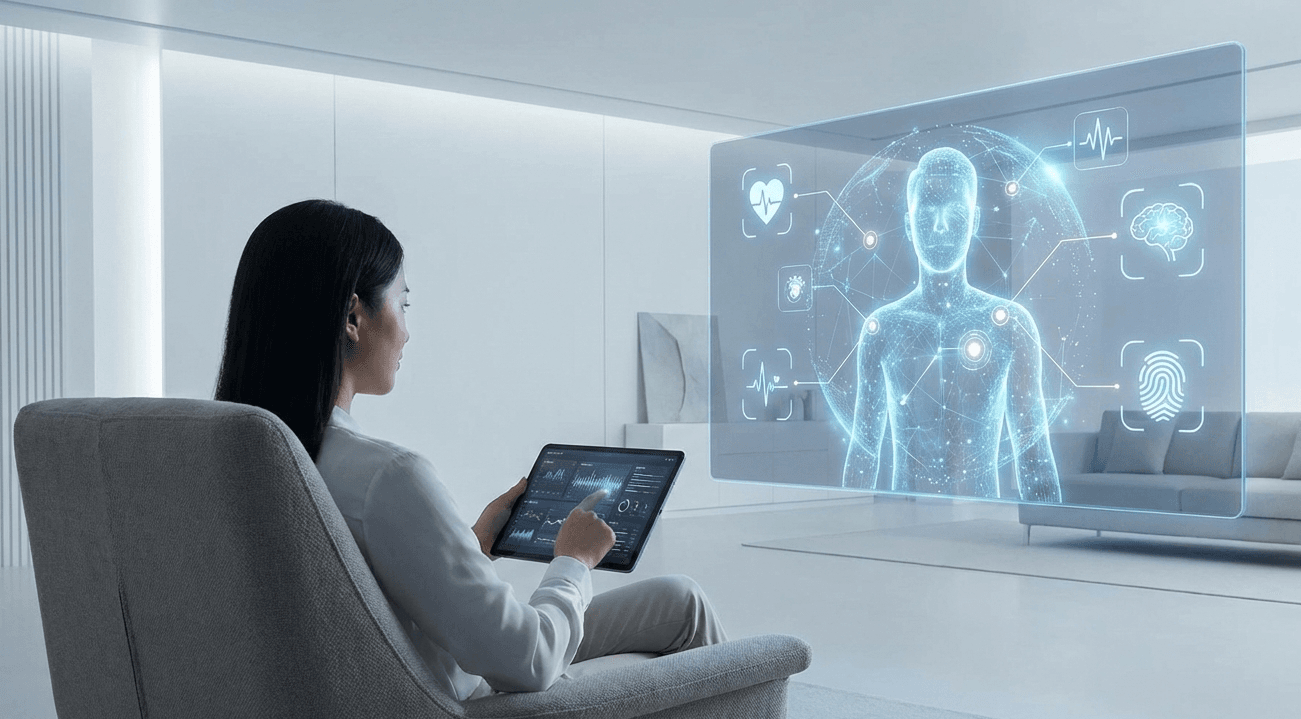
When the protocol infrastructure is sufficiently robust, the use cases for ambient computing move from impressive demonstrations to genuinely transformative applications. Continuous health monitoring through sensors embedded in everyday objects — bed mattresses, bathroom surfaces, wearable textiles — that provide clinically useful data without requiring deliberate action from patients. Buildings that genuinely adapt to occupancy, air quality, and individual preferences in real time rather than through manual override. Urban traffic systems that coordinate across thousands of connected signals and vehicles to optimise flow without centralised bottlenecks.
The technology exists to do most of this. The protocol infrastructure to do it reliably, securely, and at scale is the active engineering frontier. The pace at which that infrastructure matures will determine whether the ambient computing future arrives in years or in decades.


2 thoughts on “Ambient Computing: The Real Revolution in Smart Devices”