⚕️ Medical note: Neurofeedback is a therapeutic intervention that should be conducted by a licensed clinician. This article is for informational purposes only.
A colleague told me she’d been doing neurofeedback for her anxiety, and I nodded along while privately filing it somewhere between crystals and cold plunging in my mental catalogue of wellness things I didn’t quite trust. Then she mentioned her therapist was a clinical psychologist affiliated with a university hospital and showed me a stack of printouts from peer-reviewed journals. I read them. My scepticism, while not fully abandoned, became considerably more complicated.
Neurofeedback is a form of biofeedback in which the subject is given real-time information about their own brain activity — typically via EEG sensors placed on the scalp — and uses that information to train certain brainwave patterns over time. The underlying idea is that the brain is adaptable, and that if you can see what it’s doing in real time, you can learn to shift those patterns. It sounds like science fiction. The evidence, though imperfect, is more solid than the wellness-media reputation of neurofeedback might suggest.
What the Research Actually Shows
The most robust evidence for neurofeedback is in ADHD. A 2021 meta-analysis published in the European Child and Adolescent Psychiatry journal examined 32 randomised controlled trials and found significant improvements in inattention, hyperactivity, and impulsivity compared to control groups. The effect sizes were modest rather than dramatic, and the researchers noted methodological limitations — blinding participants in neurofeedback trials is genuinely difficult because the person always knows whether they’re receiving the training. Still, the direction of the evidence is consistent enough that several major professional bodies now consider neurofeedback a “level 5” evidence-based intervention for ADHD, meaning it has the strongest available evidence base.
For anxiety and PTSD, the evidence is promising but thinner. Studies using alpha/theta neurofeedback protocols — which train the brain toward relaxed, meditative states — show reductions in anxiety symptoms in both clinical and non-clinical populations. A 2020 study in Applied Psychophysiology and Biofeedback found significant reductions in PTSD symptom severity after a standard protocol of 30 sessions. The sample sizes in this area tend to be smaller, and replication has been inconsistent, which means the results are interesting but not yet conclusive.
For peak performance and cognitive enhancement in healthy people — the version most frequently marketed in commercial neurofeedback centres — the evidence is substantially weaker. Some musicians, athletes, and executives have reported improvements in focus and stress management, and there are small studies supporting these claims. But the controlled evidence is far less robust, and this is where the wellness marketing tends to dramatically outpace what the science can substantiate.
How Sessions Actually Work
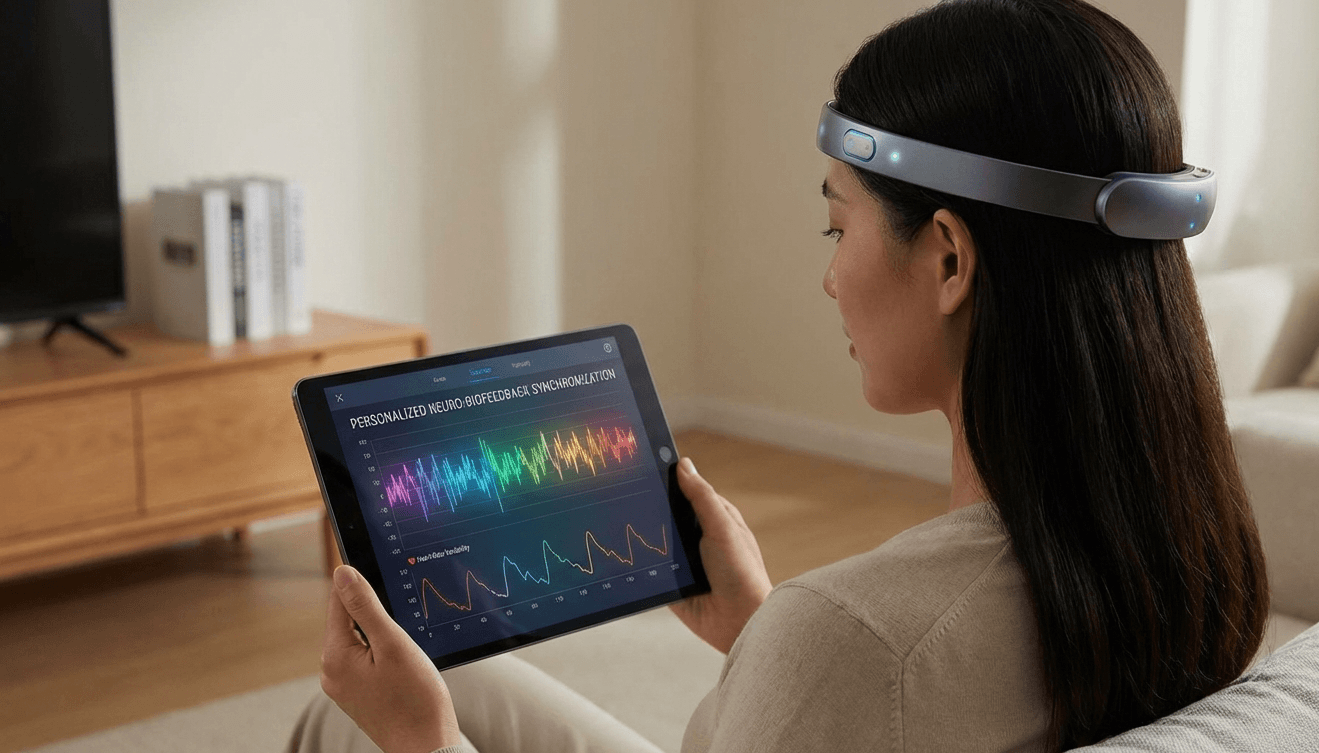
A standard clinical neurofeedback session runs between 30 and 60 minutes. EEG sensors are placed on specific sites on the scalp depending on the protocol being used. The client sits in front of a screen — often a video game or film — that responds to their brainwave patterns. When the brain moves toward the target pattern, the game rewards them (the screen brightens, the character moves forward). When the brain drifts from the target, the reward disappears. Over multiple sessions, the brain learns to favour the trained pattern.
The number of sessions required is one of the most cited concerns about neurofeedback. A meaningful course of treatment typically requires 20 to 40 sessions. At £100 to £200 per session in the UK, this represents a significant financial commitment. Cost is a genuine barrier, and it’s worth being direct about that before embarking on a course of treatment.
Where It Gets Complicated
The commercial neurofeedback industry has a problem, and it’s the same problem that afflicts many evidence-adjacent wellness interventions: the gap between what credentialled clinicians offer and what’s available from less regulated practitioners is enormous. A university-affiliated clinical psychologist using validated protocols for a specific condition is doing something meaningfully different from an unregulated wellness centre offering “brain optimisation” sessions at premium prices with no diagnostic framework whatsoever.
If you’re interested in neurofeedback, the relevant questions are: Is the practitioner a licensed clinician with specific neurofeedback training? Are they using validated protocols for your specific presenting issue, or offering a generalised service? Are they integrating neurofeedback with other evidence-based treatment, or offering it as a standalone cure-all?
The honest answer about neurofeedback is that it appears to be a real tool with real applications and real limitations. For ADHD, the evidence supports considering it, particularly for people who haven’t responded adequately to other treatments or who want a non-pharmacological option. For other conditions, the picture is more uncertain — worth exploring with a qualified clinician, but not worth over-investing hope or money on the basis of early-stage evidence.
My colleague, eight months on, says her anxiety is genuinely better. She also started running regularly during the same period and finally left a job that was making her miserable. We’ll never know what did the work. That ambiguity is, ultimately, what honest health reporting looks like.



One thought on “Neurofeedback Therapy: What the Science Actually Says”