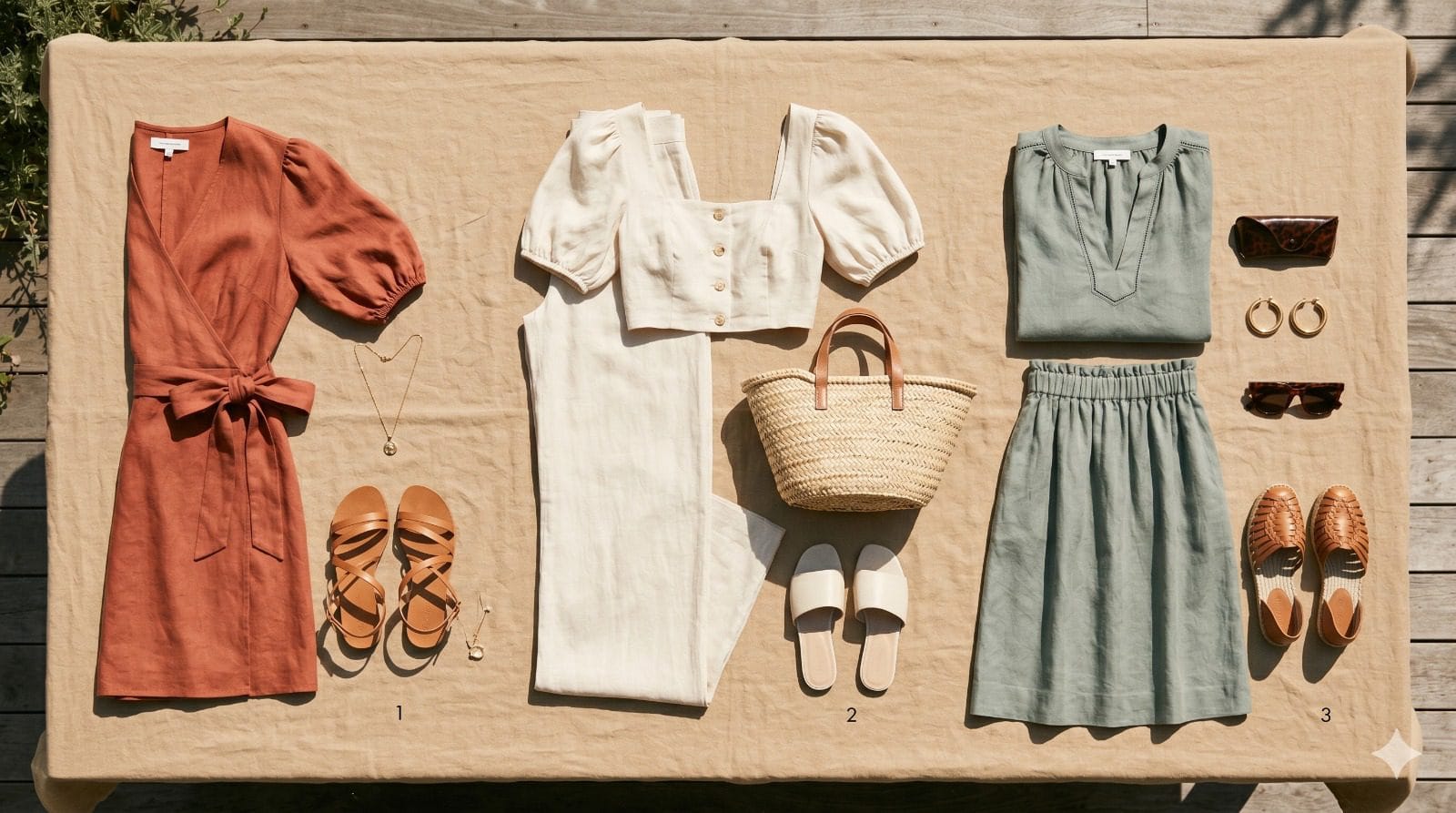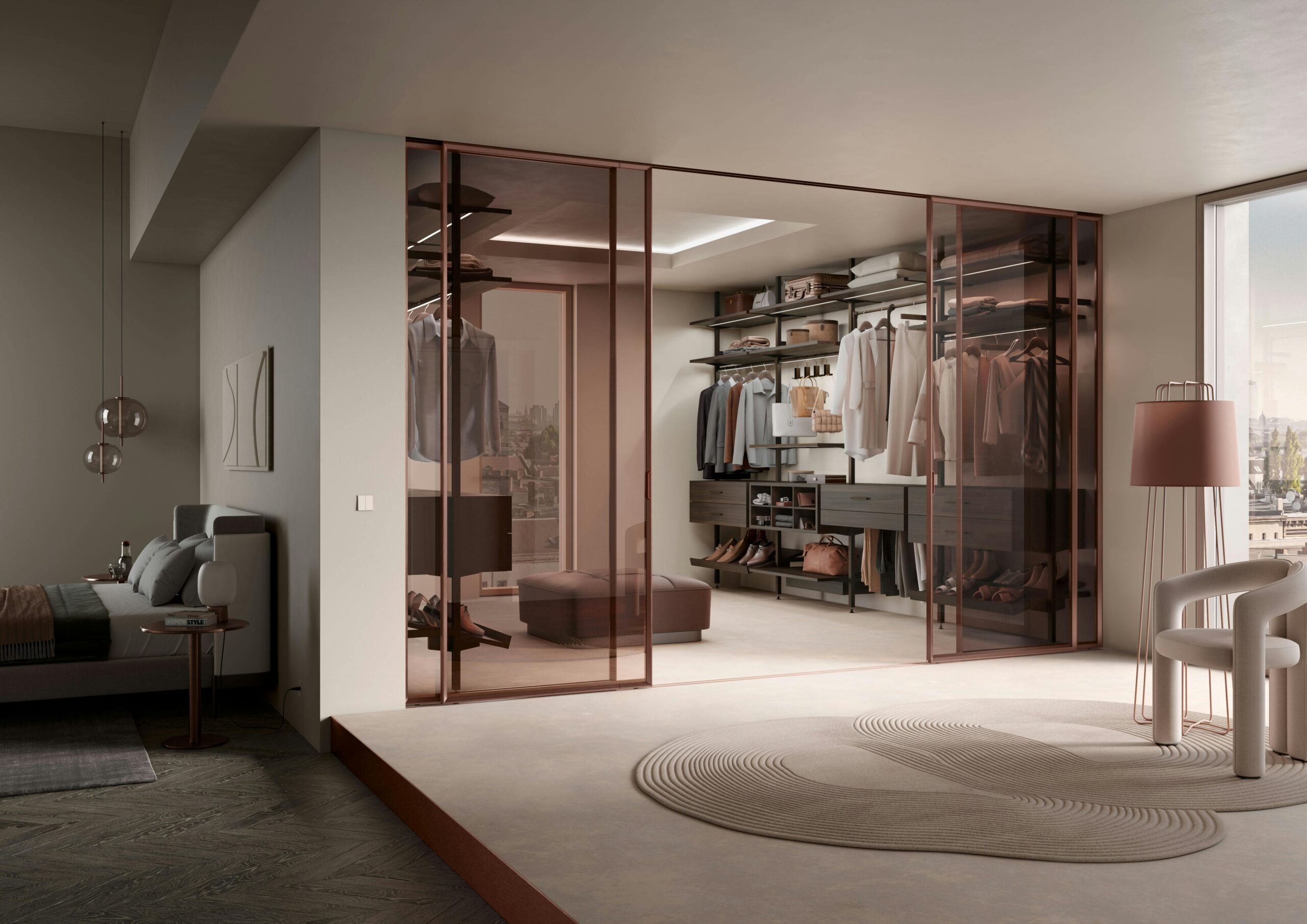
Every few years I do what I call the thirty-minute stare — I stand in front of my open wardrobe for half an hour before a moderately important event, move things around, decide everything is wrong, and end up wearing the same combination I always wear. It took me a long time to understand that the problem wasn’t having too few clothes. I had plenty of clothes. The problem was that the wardrobe had no architecture — no deliberate structure that made it easy to reach for things that actually worked together.
Wardrobe architecture is the idea of building your closet the way a designer builds a collection: with a clear foundation, defined relationships between pieces, and an understanding of what each item is actually for. It sounds more complicated than it is in practice.
The Three Layers
Think of your wardrobe in three layers. Foundation pieces are the base — the items you wear most frequently, that go with almost everything else you own, and that you feel reliably good in. These are your straight-leg dark jeans, your white shirt, your clean-cut trousers, your simple cashmere or cotton knit. They’re not exciting. They’re not supposed to be. Their job is to work.
Bridge pieces connect the foundation to the statement layer. These are pieces with some character — an interesting silhouette, a distinctive texture, a colour that’s more specific than beige — but that still work in multiple contexts. A camel coat. A striped linen shirt. A blazer in a rich neutral. These add dimension to the foundation without requiring careful thought every time you reach for them.
Statement pieces are the ones with genuine personality. A printed dress. A bold-coloured trouser. An unusual silhouette. These pieces should be few in number and specifically chosen because you love them — not because they were on sale, not because they seemed like something you should want. The test for a statement piece is whether you would wear it even if no one told you it was fashionable.
The 80/20 Audit
Most wardrobes follow the 80/20 rule involuntarily: 20% of the items get worn 80% of the time. The architecture approach is to make this intentional rather than accidental. Before buying anything new, the question is always: does this strengthen my foundation layer, or add a useful bridge piece, or is it a genuine statement I love?
The audit itself is straightforward, if sometimes uncomfortable. Go through everything you own and ask three questions: Have I worn this in the last year? Does it fit properly right now, today? Does it work with at least three other things I own? If the answer to any of these is no, the item is a candidate for removal. This isn’t about minimalism for its own sake — it’s about making the closet clearer so the clothes you actually wear become more visible and more accessible.
The Buying Strategy That Maintains the Architecture
Once you have a working wardrobe structure, protecting it requires a specific approach to new purchases. Buy to fill defined gaps rather than to add more of what you already have. If you have seven white shirts and no quality trousers, the next purchase should address the actual gap. This sounds obvious, but most purchases are made emotionally — we see something we like and buy it without reference to what we already have.
Cost-per-wear is the most useful mental calculation for buying decisions. An item that costs £150 and gets worn 100 times costs £1.50 per wear. An item that costs £30 and gets worn three times costs £10 per wear. The cheaper item, in almost every real scenario, costs more. This calculation consistently points toward buying fewer, better-made pieces in the foundation and bridge layers.
The Result Worth Working Toward
A wardrobe with genuine architecture is one where you can get dressed in ten minutes and feel good in what you’re wearing almost every time. The thirty-minute stare becomes rare. The “I have nothing to wear” feeling diminishes, not because you have more clothes but because what you have is coherent and usable.
That’s what good wardrobe architecture actually delivers — not fewer clothes necessarily, and not a capsule wardrobe in the Instagram sense, but a set of clothes that work together reliably, that you understand, and that make daily life a little easier.