I made a mistake with my first mycelium leather wallet. I used the same conditioner I’d been putting on my old calfskin bag for years, and within a week the wallet had developed a strange sticky surface that never really went away. The brand’s customer service was lovely about it, but the damage was done. It took that experience to make me actually research what this material needs — and what it absolutely cannot handle.
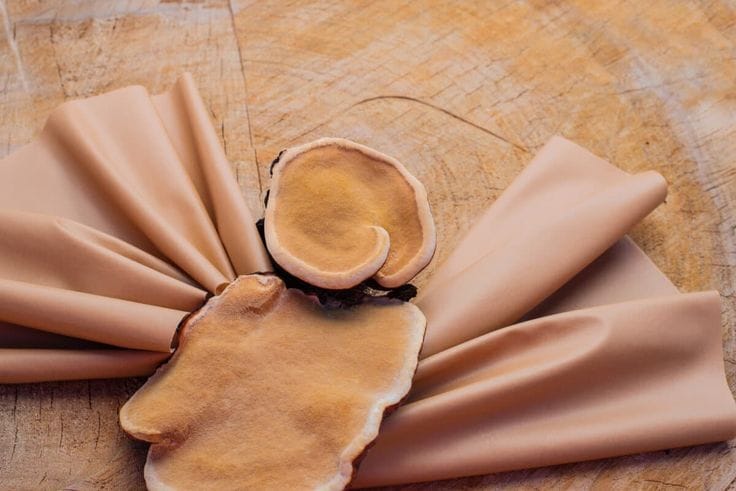
Mycelium leather is made from the root structure of fungi, typically grown on agricultural waste and then compressed and treated to create a durable, flexible sheet. Brands like Bolt Threads (who make Mylo) and Ecovative have been refining the process for years. The result looks and feels genuinely leather-like — that soft give, the slight warmth — but structurally it behaves quite differently. Regular animal leather is a dense protein matrix. Mycelium leather is a bound fibrous network. It needs different care.
What to Avoid Completely
Avoid petroleum-based conditioners. This is the mistake I made. Most traditional leather conditioners contain petroleum derivatives that are designed to replenish the oils in animal hide — but mycelium leather doesn’t have those oils to begin with, and petroleum products can degrade the binders that hold the fungal fibres together. That sticky feeling I experienced was essentially the surface beginning to break down.
Avoid direct heat. Don’t dry mycelium leather near a radiator, in direct sunlight, or with a hairdryer. The fibres can contract unevenly under intense heat, causing warping and surface cracking that you cannot reverse. If your bag gets caught in the rain, shake off the excess water and let it air dry at room temperature, away from any heat source.
Avoid harsh chemical cleaners. No acetone, no alcohol wipes, no bleach-based products. These will strip the surface treatment. If you need to clean a stubborn stain, diluted mild soap on a soft damp cloth is the approach — gentle circular motions, minimal moisture, and immediate blotting dry.
Daily and Weekly Care
The best thing you can do for mycelium leather is wipe it down regularly with a barely damp microfibre cloth. Not wet — damp. You’re removing surface dust, skin oils, and environmental residue before they have a chance to work into the material. Do this once a week if you’re using the item daily.
For conditioning, several brands now make plant-based leather conditioners explicitly formulated for bio-based materials. Check the ingredients for things like shea butter, carnauba wax, or plant-derived glycerin — these are safe. Apply a very thin layer with a clean cloth, let it absorb for ten minutes, then buff gently.
Storage matters more than most people realise. Keep mycelium leather in a breathable dust bag — never plastic, which traps humidity and can cause surface mould. Stuff bags lightly to maintain shape, but don’t overstuff. If you’re storing items long-term, keep them somewhere cool, dry, and away from direct light, which can fade the surface colour over time.
When Something Goes Wrong
Scuffs on the surface are the most common issue. For light scuffing, a tiny amount of a colour-matched plant-based leather cream — applied with a cotton swab to the specific area — can minimise the appearance. Don’t rub aggressively; you’ll only spread the damage.
For deeper scratches that have gone through the surface treatment, contact the brand before attempting any home fix. Some mycelium leathers can be spot-treated; others are better left alone rather than made worse by amateur repair attempts.
Smell is something people occasionally notice with mycelium leather, particularly when new. A faint earthy note is completely normal — it’s the fungal origin of the material, and it generally fades within a few weeks of use. It does not indicate a problem with the product.
The Bigger Picture
Looking after mycelium leather properly is actually an extension of the reason most people buy it in the first place: a commitment to making purchases that last. Bio-based materials require more thoughtful care than conventional leather, but the payoff is real. A well-maintained piece can last years. Given that the entire case for sustainable materials rests on durability — proving that the ethical choice doesn’t mean accepting worse quality — taking the extra five minutes for proper care is part of the deal.
The learning curve is short. Once you know what to avoid and what to use instead, caring for mycelium leather becomes second nature. My wallet, despite the rocky start, has now been well-maintained for eighteen months. It still looks good. The lesson cost me one conditioner mistake, but the material forgave it once I started doing things properly.



One thought on “How to Care for Mycelium Leather: A Practical Sustainable Guide”